


A broad coalition of unions, women’s organisations, First Nations and LGBTIQA+ groups, and disability advocates has united to urge Western Australian MPs to support reforms that would modernise the state’s anti-discrimination laws.
Fair and Safe WA is urging Parliament to back the Equal Opportunity Bill currently being debated, arguing it would ensure people across the state are better protected from discrimination, vilification and abuse.

“Western Australia has an opportunity to bring its laws into line with modern expectations and deliver the protections people across the state deserve. We’re calling on every MP to support this Bill and help make that happen,” said Fair and Safe WA spokesperson Rikki Hendon, who is also Secretary of Unions WA.
“Everyone should be treated fairly and equally under the law. No one should face discrimination because of who they are, and no community should be left without protection from vilification, abuse and hate.”
The long-promised Bill would increase the number of protected attributes under the law. New attributes would include homelessness, breastfeeding, exposure to family and domestic violence, caring responsibilities, involvement in the trade union movement, and gender identity.
The coalition includes Aboriginal Legal Service of WA Ltd, Centre for Women’s Safety and Wellbeing, Community Legal WA, Consumers of Mental Health WA, Council of Aboriginal Services WA, Dress for Success WA, Equality Australia, Hope Community Services, Independent Education Union of Australia WA Branch, Linkwest, Outcare WA, Palmerston Association, People with Disabilities WA, Rainbow Futures WA, Unions WA, WACOSS, Women’s Legal Service WA and the Youth Affairs Council of WA.
WACOSS
Louise Giolitto, CEO of the Western Australian Council of Social Service (WACOSS), said stronger protections against vilification and discrimination were needed.
“Fairness and dignity should not depend on who you are, where you come from, who you love or whether you live with disability, and these reforms are an important step towards making that principle real in Western Australia.
“WACOSS strongly welcomes stronger protections for people facing discrimination, racism, harassment and vilification, including Aboriginal people and culturally diverse communities.”
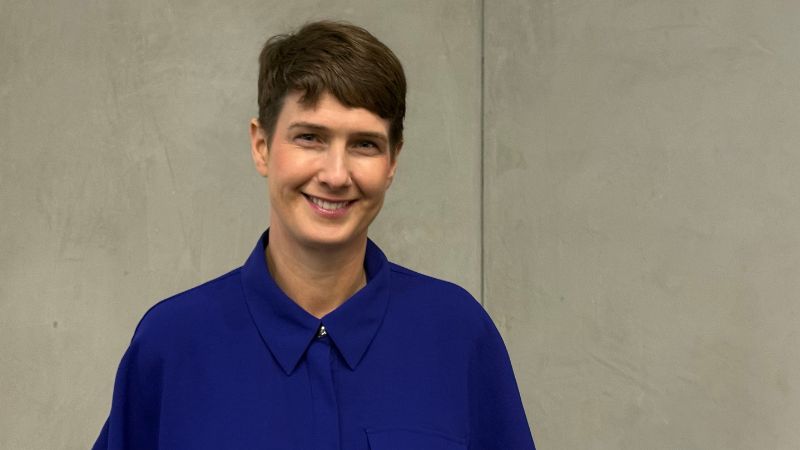
Rainbow Futures and Equality Australia
LGBTIQA+ rights groups have also called for the legislation to progress swiftly through Parliament, noting that the reforms have been under development for many years.
Rainbow Futures CEO Misty Farquhar said the current laws have clear gaps, particularly in relation to gender identity and sexuality.
“Most people take it for granted that the law treats everyone equally, because that’s what is meant to happen. But in reality, there are gaps in the legislation that LGBTIQA+ people have been falling through for decades. This is our chance to close those gaps.”
Equality Australia CEO Anna Brown also voiced support for the changes.
“Being gay, getting divorced or falling pregnant outside marriage should never put someone’s job at risk, and no student should be denied opportunities, singled out or made to feel they don’t belong because of who they are.
“WA’s discrimination laws are decades behind the times. This is a chance to bring them into line with modern community expectations and close loopholes that leave people exposed to discrimination and hate,” Brown said.
Women’s Legal Service WA
Dr Jennie Gray, CEO of Women’s Legal Service WA, welcomed the Bill’s protections for victim-survivors of family violence.
“We welcome the introduction of this Bill with its new legal protections for victim-survivors of family violence. These reforms are an important step towards addressing situations where women face discrimination at work and in other areas of public life because of violence by a partner or family member.
“At WLSWA, the women who walk through our doors are not only dealing with family law issues, which often include family violence, but also the intersecting disadvantage this can cause. The protections in this Bill will make it safer for these women to disclose violence and seek support,” Dr Gray said.
People with Disabilities WA
Disability rights advocates have also welcomed the new provisions in the Bill.
Kat Johns, CEO of People with Disabilities WA, said discrimination remains common for many people with disability.
“Disabled people continue to face discrimination and violence and, across almost every metric, are among the most disadvantaged groups in our community. This includes low levels of employment due to stigma, as well as high rates of poverty, homelessness and exclusion from education.
“Our organisation backs the amendment to the WA Equal Opportunity Act 1984, which will provide a stronger pathway to justice for our community, including our members and those who come to us for advocacy.”
Aboriginal Organisations Support Reform
Chad Stewart, CEO of the Council of Aboriginal Services Western Australia, and Wayne Nannup, CEO of the Aboriginal Legal Service of Western Australia, also expressed support for the Bill.
“We support this Bill and urge all parliamentarians to get behind it. Aboriginal people should be able to live, work, study and access services without facing racism,” Stewart said.
“That means having laws that not only protect us when discrimination happens, but require employers, government agencies and service providers to take steps to prevent it and make it easier to challenge racism when it is part of a wider pattern, not just a single incident.
“Discrimination against Aboriginal people often arrives as the accumulated effect of systems that were not built with Aboriginal people in mind.”
Nannup said systemic and entrenched discrimination needed to be addressed.
“Aboriginal and Torres Strait Islander people experience entrenched and systemic discrimination in many facets of their everyday lives. The Aboriginal Legal Service of Western Australia supports the proposed reforms to the Equal Opportunity Act, which represent a significant step forward in ensuring broader protections against discrimination and more accessible avenues for individuals to stand up for their rights to be treated fairly and equally.”
The legislation is currently being debated in the Legislative Assembly.