

Australian Olympic greats are joining forces with Australian Red Cross Lifeblood in a nationwide call for plasma donors, with 15,000 donations needed this month to recover from a post-winter shortfall.
The call coincides with International Plasma Awareness Week (IPAW), running from 5 to 9 October, and the launch of Lifeblood’s “Go for Gold. Give Plasma.” campaign. The campaign features Lifeblood Ambassador and plasma recipient Michael Klim alongside fellow Olympians Cathy Freeman, Ian Thorpe, Cooper Woods and Cate Campbell, who are encouraging Australians to donate plasma.

The plasma donation shortfall comes as a prolonged winter illness season continues to keep donors away, with the number of appointments made in early September the lowest recorded this year. Lifeblood says more people need to donate to help protect supplies of plasma medicines and transfusions for patients across the country.
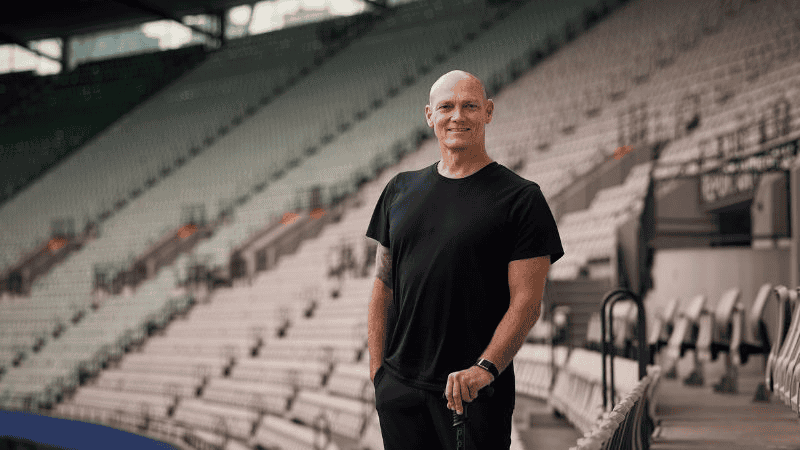
With plasma Australia’s most-needed type of blood donation, Michael Klim is encouraging eligible Australians to donate their “liquid gold” and help patients like him who rely on plasma-derived medicines.
“Most people don’t know that plasma-derived medicines help people like me manage serious health conditions and make everyday life possible,” Klim said.
“If you are eligible and well, please book an appointment now. Your donation could help someone like me.”
Australian Olympic Committee Chief of Olympian Support Daniel Kowalski thanked Australia’s Olympians for advocating for the campaign and generously lending their support.
“Olympians inspire us through their commitment to sport and their willingness to show up for their teammates and others. These are qualities that exist in communities right across our nation and can be demonstrated by Australians who donate much-needed plasma,” Kowalski said.
Australia is one of the world’s top three users of immunoglobulin per capita. Michael Klim receives intravenous immunoglobulin (IVIg) every six weeks, with each treatment requiring up to 25 plasma donations.
Plasma and plasma-derived medicines help support people with immune deficiencies and bleeding disorders, as well as cancer and trauma patients, people undergoing surgery, and women during pregnancy.
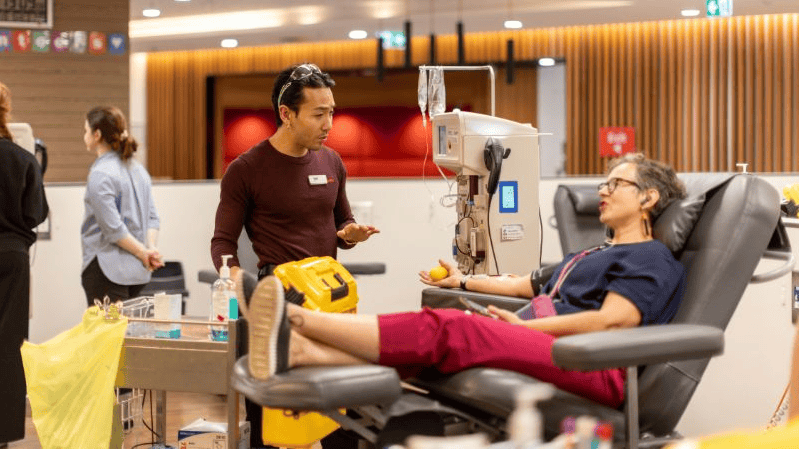
Lifeblood Chief Customer Officer Cath Stone said fewer than one per cent of Australians donate plasma despite millions being eligible.
“With demand continuing to rise, and more than 8,100 plasma medicines and transfusions supplied to Australian hospitals every day, we need more people to book a donation and make plasma donation part of their regular routine,” Stone said.
“You do not need to be an Olympian to do something extraordinary. Donating plasma is a practical way to give back and help patients across the country.”
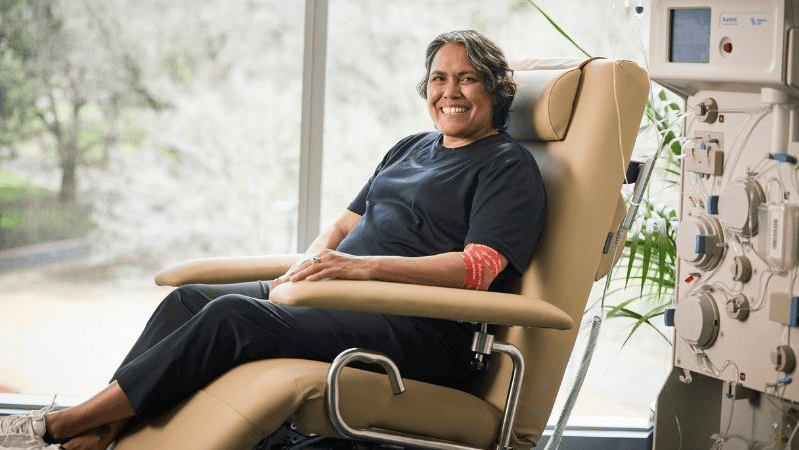
To highlight the lifesaving impact of plasma donation during IPAW, Olympians Cathy Freeman and Cate Campbell will join regular plasma donors at Lifeblood’s Melbourne CBD Donor Centre on 8 October.
“Gold medals can inspire a nation, but plasma can help save one,” Stone added.
“We are asking Australians to show the same qualities we admire in our Olympians: commitment, generosity and a willingness to show up for others by donating much-needed plasma.”
Lifeblood is seeking 15,000 additional plasma donors nationwide, including 1,100 in Western Australia.
To book a donation call 13 14 95, visit lifeblood.com.au or download the Donate Blood App.
Earlier this year Lifeblood removed most sexual activity wait times for life-saving plasma donations, safely paving the way for many gay and bisexual men, transgender people, sex workers, and people on pre-exposure prophylaxis (PrEP) to help save lives.