


OPINION
David Gibson (he/him) is the Chair of GRAI and a member of the National Carer Strategy Advisory Committee, a former Army Officer and former Member of Parliament.
When Western Australia passed its Equal Opportunity Act in 1984, the AIDS epidemic was emerging. Homosexuality was still a criminal offence, and prejudice against LGBTIQA+ people was woven into much of our public and institutional life. In the years that followed, our community would lose friends and partners, care for people abandoned by others, and fight for basic human decency.

It is worth remembering that history as Western Australia considers the introduction of the Equal Opportunity Bill 2026.
Firstly, the Cook Government deserves recognition for bringing forward long-overdue reform. So, I find myself asking a fairly simple question. If we recognise that a young person deserves to be safe and respected at school, why are we still debating if those same protections should also be available to someone in their eighties who needs help showering at home?
Ageing is not simply a gradual loss of independence. Ageing can also bring uncertainty. Losing a partner, moving house or increasingly relying on others can make acceptance and belonging more important. Someone who has spent decades building a life where they can be themselves may suddenly depend on the attitudes of people and organisations they barely know.
GRAI’s Older Persons’ Blueprint, informed by almost 200 older LGBTI Western Australians, identified dignity, social connection and the lasting effects of discrimination as significant concerns. Those experiences do not disappear because the law changes. They shape whether people feel safe seeking services, joining community organisations or simply being themselves.
This is why the religious exemptions retained in the Bill deserve scrutiny.
While exemptions applying to religious schools have been narrowed, GRAI is concerned that conditional exemptions remain for other religious bodies. Yes, restrictions apply to government-funded and commercial services, but questions remain about how exemptions operate elsewhere, including employment.
Religious organisations play important roles in housing, health, disability support, aged care and community life. To be clear, some organisations provide excellent, inclusive services, and their contribution deserves recognition.
But acceptance should not depend on which organisation someone encounters. Older LGBTI people should be able to participate in community life without wondering whether their identity or relationships will become the grounds for being treated differently.
GRAI has been raising concerns about religious exemptions since 2013. More than a decade later, we are still asking for clarity. Many older LGBTI people rely on chosen family, trusted friends and community networks for support and advocacy. These are often the people who recognise when something is wrong and help someone find the confidence to speak up. Yet those relationships are not always recognised by faith-based institutions.
The Bill’s approach to vilification raises another concern.
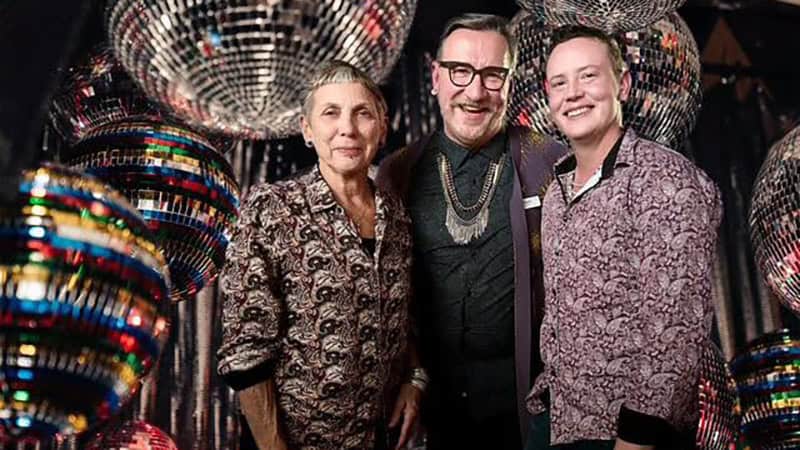
Premier Roger Cook has said that hate has no place in WA, GRAI agrees and believe it is a principle that should be reflected in the laws we make. But this Bill does not establish criminal offences for anti-LGBTI vilification, despite such offences already existing in Victoria, New South Wales, Queensland and the ACT.
This is a major shortfall, especially in the light of the recent national conversations that recognise that hatred targeted at a community can leave people questioning their safety and place in society.
Criminal law helps establish boundaries around conduct a society is prepared to accept. This does not mean every offensive opinion or religious disagreement should become a crime. Freedom of expression and belief matter. But there is a difference between expressing a belief and inciting hatred, threats or violence against people because of who they are.
For older LGBTI people who remember criminalisation, police intimidation and the hostility surrounding the AIDS epidemic, that distinction is particularly important. Such hatred recalls a time when prejudice was reflected in the institutions governing their lives.
The recent distribution of homophobic flyers targeting older LGBTI people across Perth brought this issue into sharp focus. WA Police Commissioner Col Blanch acknowledged that whether criminal charges could be laid depended on the wording and circumstances of each flyer. A man was subsequently prosecuted and fined under outdated laws concerning indecent or obscene material.
In 2026, Western Australians deserve laws that recognise hatred for what it is, rather than relying on a general public-decency offence to prosecute conduct involving homophobic vilification.
Furthermore, Western Australia has accepted a Disability Royal Commission recommendation concerning criminal anti-vilification protections. The Government should therefore explain what is happening with that work and provide a timetable for when we can expect criminal anti-vilification protections.
The Bill also introduces a positive duty requiring organisations to take reasonable steps to prevent discrimination, harassment and vilification. This is welcome. Preventing harm is always better than expecting individuals to seek justice afterwards.
However, individuals cannot complain solely because an organisation has failed to meet that preventive duty. This matters because older LGBTI people do not always feel safe speaking up and silence should never be mistaken for the absence of discrimination.
Research published this year by the Australian Institute of Family Studies found that fewer than half of older LGBTI participants who experienced abuse or mistreatment sought help. Many instead tried to protect themselves by withdrawing from the situation or cutting contact with the person responsible.
For older LGBTI people, speaking up can mean challenging an organisation they rely on for housing, services or social connection. It can also mean revisiting experiences of rejection or discrimination that have shaped much of their lives.
There is a considerable difference between having a right to complain and feeling safe enough to exercise it.
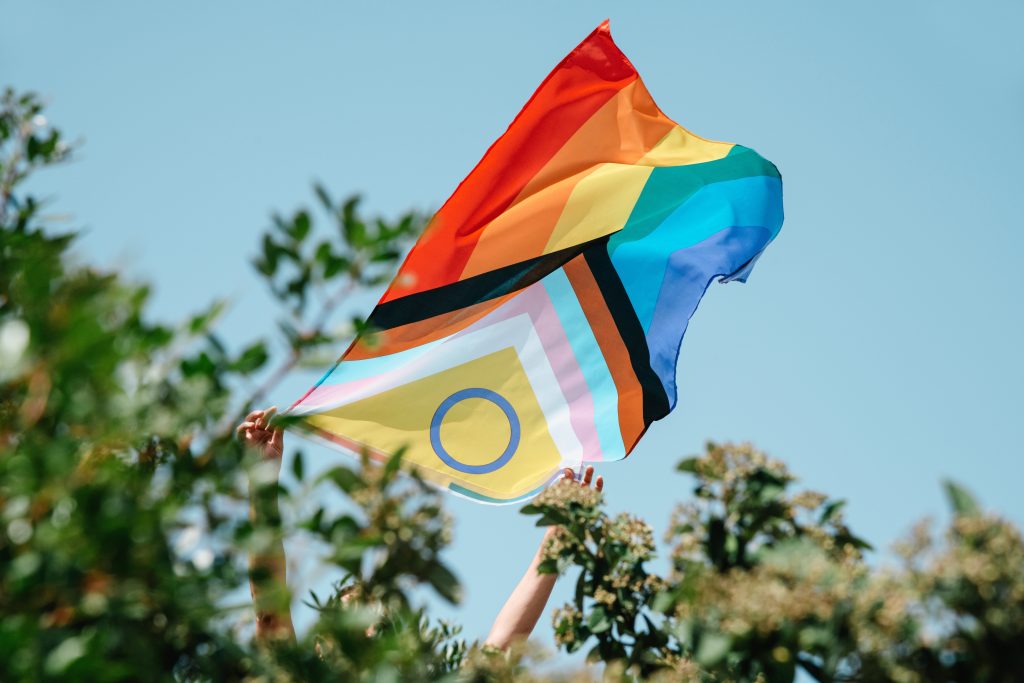
Western Australia is a different place from the one in which the original Act was passed. Relationships once hidden are now celebrated, and freedoms previous generations could scarcely imagine are now a part of everyday life.
Let us not forget that older LGBTI people helped bring about those changes. They marched, advocated, cared for friends during the AIDS epidemic and built communities where others could belong. Many continue to contribute as volunteers, workers, partners, grandparents and community leaders.
They deserve more than recognition for what they endured. They deserve confidence that the freedoms they helped secure will remain with them throughout their lives.
Parliament now has an opportunity to strengthen this Bill by clarifying religious exemptions, addressing criminal anti-vilification protections and ensuring preventive duties are meaningfully enforced.
As one older LGBTI Western Australian put it plainly in the Older Persons’ Blueprint: “Stop being well meaning amateurs. Get fierce. This is a f**king fight we’re in…”
That is what is at stake as Parliament considers these reforms. Not simply the wording of legislation, but whether the freedoms people spent their lives fighting for will remain theirs as they grow older.
We did not fight this hard to be equal, only to grow old and be treated as less than equal.
David Gibson