

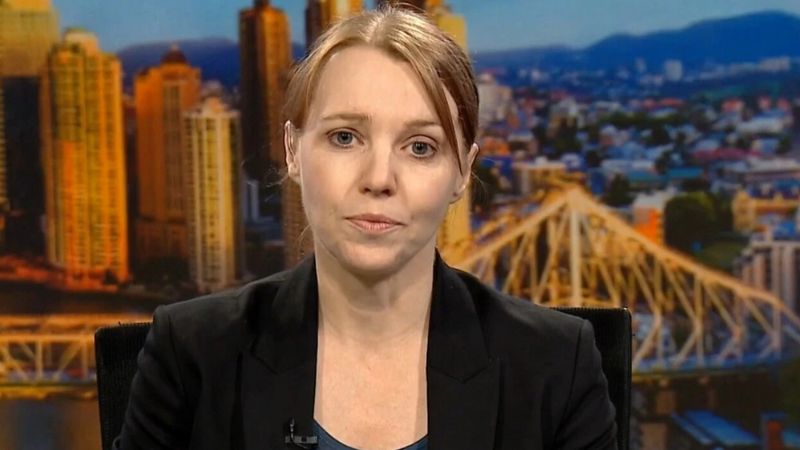
Queensland Health have announced that they have settled a long running dispute with psychiatrist Dr Jillian Spencer.
While the full terms of the agreement have not been made public, it has been announced that Dr Spencer will not return to her position with Children’s Health Queensland Hospital and Health Service.
As part of the settlement the hospital was required to make a public statement citing that Dr Spencer’s concerns about the treatment of youth experiencing gender dysphoria were “grounded in her training and background as a child and adolescent psychologist.”
The hospital said it acknowledged that these were matters of legitimate professional and public debate, and that clinicians play an important role in raising concerns about patient safety and clinical practice.

The hospital said Dr Spencer had been a strong advocate for change in Queensland in the model of care for children and adolescents experiencing gender dysphoria, including a view that medical interventions, including puberty blockers and cross-sex hormones, should not be available until adulthood.
Dr Spencer was suspended from her role at the hospital in April 2023. She did not treat people experiencing gender dysphoria but was a vocal critic of colleagues’ approaches to treatments.
The health service highlighted that in 2025, Queensland Health Minister Tim Nicholls issued a new ministerial directive on how youth with gender dysphoria should be treated. The new approach “effected a temporary pause” on the use of puberty blockers and cross-sex hormones in the treatment of gender dysphoria. The government’s treatment ban is in place until 2031.
A separate investigation, focusing on Dr Spencer, launched by the Australian Health Practitioner Regulation Agency following a complaint, was dropped on Tuesday.
In a statement, Dr Spencer said she had been “vindicated”.
“This is a huge relief, and this victory makes it very clear I never did anything wrong by speaking out and trying to protect children from these harmful interventions,” she said.
“I am relieved the hospital has acknowledged that my concerns were grounded in my training and background as an experienced child and adolescent psychiatrist and that clinicians play an important role in raising concerns about patient safety and clinical practice.”
The Australian Christian Lobby said the statement from Children’s Health Queensland Hospital and Health Service should be a catalyst for other Australian jurisdictions to revise their approach to treating young people who are experiencing gender dysphoria.
The religious group wants a “nation wide ban on gender affirming treatment for children”.
“Australia should follow the growing international movement toward evidence-based care and pause experimental gender treatments that are harming vulnerable children,” CEO Michelle Pearse said.
The Queensland government’s ban on treatments has been criticised by a wide range of health professionals and community groups.
“Denying access to gender affirmation will cause immeasurable damage to those young people who need it, increasing the risk of depression, anxiety, self-harm and suicide,” an open letter to the Queensland government that was published last year said.
“Parents are rightly terrified about what this will mean for their children. To undermine young people, parents, families and health professionals across the state and restrict or deny access to this care is a politically motivated move that endangers further the already marginalised and vulnerable Queenslanders whom the government is supposed to protect.”
The Australian Human Rights Commission has also expressed concern over the Queensland ban. Sex Discrimination Commissioner Dr Anna Cody said the decision was one that was causing distress to children and families.
Dr Cody said the decision will cause significant distress to trans and gender-diverse young people, as well as their families and carers, who rely on this highly specialised healthcare.
“Stage 1 and 2 hormone therapies are supported by Australia’s leading medical bodies, including the Australian Medical Association, AusPATH and other professional health organisations, as part of evidence-based, carefully governed care for trans and gender-diverse young people,” Dr Cody said.
“Denying access to this care risks real and lasting harm. These decisions are not abstract – they affect the lives, mental health and safety of young people who are already among the most vulnerable in our community.”
Writing in the Australian Nursing and Midwifery Journal last month, researcher Pheona van Huizen delivered a critical assessment of the Queensland government’s approach, alongside that of the Northern Territory, which had followed a similar path.
“The ban in the Queensland and Northern Territory public hospital systems appears to be politically motivated and is a backwards step for the necessary healthcare of trans and gender diverse adolescents,” van Huizen assessed.