

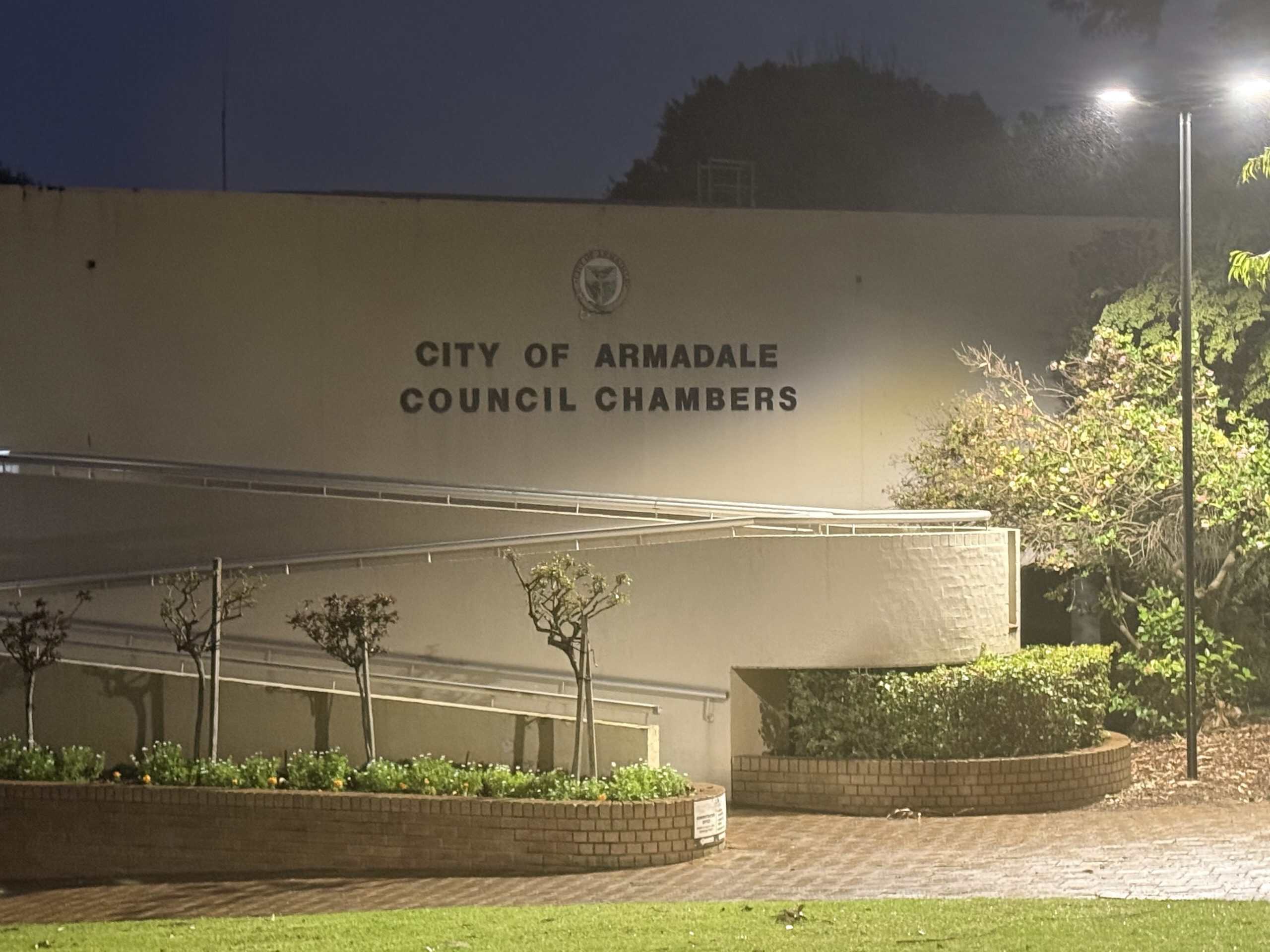
The City of Armadale Council will consider adopting a new Community Development Strategy when it meets on Monday night.
The draft strategy, which will guide the City’s work over the next five years, includes specific mention of LGBTIQA+ community members for the first time. The City’s Access and Inclusion Plan already references LGBTIQA+ people, both in relation to people with disability and as part of broader groups that may experience discrimination.

Council staff have recommended the strategy be adopted, and it was presented to the Community Services Committee earlier this month. The document is described as a plan for a coordinated approach to strengthen community cohesion, equity and resilience across the city.
Recommendations outlined in the strategy include reviewing data from the 2026 Australian Census once it is released; ensuring inclusive language is used in official communications and that people’s pronouns are respected; promoting public events as inclusive and welcoming to LGBTIQA+ residents; including LGBTIQA+ support services at those events; and consulting with LGBTIQA+ community members and stakeholders to maintain knowledge and inclusive practices.
Councillor says inclusion may attract opposition
OUTinPerth understands that councillors have been receiving coordinated letters urging them to oppose the strategy because it includes references to supporting the LGBTIQA+ community.
In a social media post, Councillor Kris Jorgensen noted that the proposed strategy covers a wide range of people from different backgrounds and parts of the community.
“Nine of those ten sections won’t get a second look on Monday. The tenth will, and I’d rather it didn’t need to be said that LGBTQIA+ residents belong in a community strategy alongside everyone else,” Cr Jorgensen said.
“But here we are, so I’ll say it: they do, and I’ll be supporting the strategy as it stands.”
In 2020 the council came under fire when it flew the Pride flag during Perth’s Pride celebrations. Complaints were made about the move and a letter-writing campaign was launched.
LGBTIQA+ people have often been overlooked in local government planning
Compared with some councils that specifically reference LGBTIQA+ community members, the proposed strategy in Armadale does not include major new initiatives.
The City of Perth has established an LGBTIQA+ advisory group, developed a dedicated plan, provided funding for key events including PrideFEST, introduced gender affirmation leave for council staff, ensured some facilities include all-gender toilets and installed public artworks recognising the local LGBTIQA+ community.
The City of Vincent supports community events for LGBTIQA+ residents and employs a Community Development Officer who works with local groups. It is also a member of the Welcome Here project, which uses stickers on council buildings to indicate that LGBTIQA+ community members are welcome. However, the city’s 10-year Community Development Plan, launched in 2002, makes no direct reference to LGBTIQA+ people.
The City of Bayswater extended the scope of its Access and Inclusion Plan, which runs from 2025 to 2030, to include LGBTIQA+ people. Consultation identified that 18.9 per cent of respondents were part of the LGBTIQA+ community and were seeking community events, improved safety, gender-neutral facilities, inclusive language and signage, and support for staff who are transitioning gender.
Adding LGBTIQA+ people to local government plans has not previously been common in Western Australia. However, local governments were consulted during development of the State Government’s LGBTIQA+ Inclusion Strategy, released in 2025. Local Government Minister Hannah Beazley noted that not all LGBTIQA+ people experience full participation in society.
The state strategy encourages local governments to include LGBTIQA+ communities in public health planning and to provide community-informed services, programs and policies that promote belonging, connection and inclusion.
Strength of Armadale’s LGBTIQA+ community largely unknown
The proposed strategy states there is currently limited data on how many people who identify as LGBTIQA+ live within the city and notes that the 2026 Australian Census is expected to provide a clearer picture of the local community.
The document also notes that a 2025 Living in Place survey of 1,464 residents found that one per cent of respondents selected “other” as their gender.
A separate 2024 survey of 472 young people aged 12 to 25 living in Armadale found that 10 per cent identified as part of the LGBTIQA+ community. Participants reported concerns about safety, employment prospects, mental health and access to safe housing.
The strategy also highlights broader studies showing that young LGBTIQA+ people have an increased need for mental health support. Headspace Armadale reported that six per cent of its clients over the previous three quarters identified as gender diverse, while 30 per cent identified as part of the LGBTIQA+ community.