

Premium Content:

Bibliophile | Queer: A Graphic History

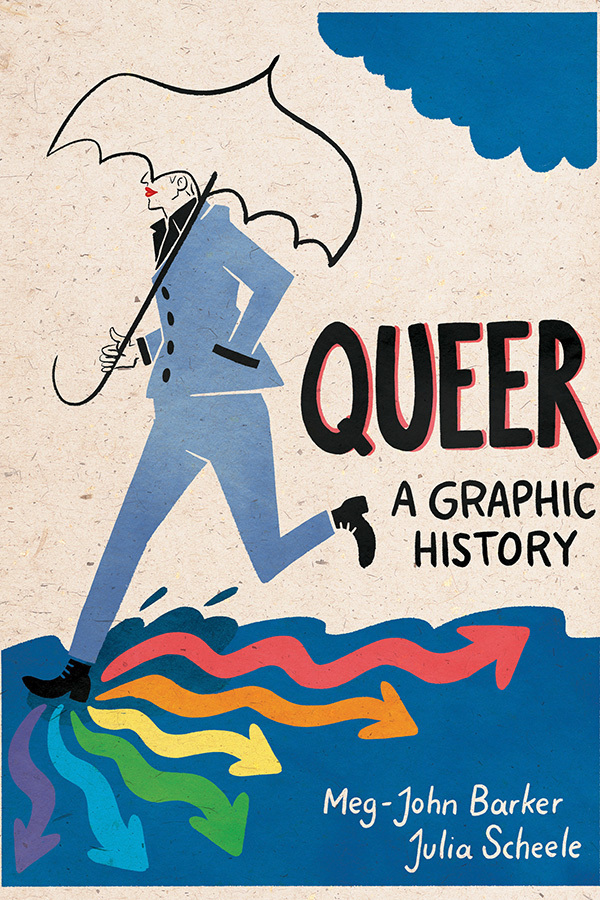
QUEERQUEER: A Graphic History
by Meg-John Barker and Julia Scheele
Allen and Unwin

The original 16th century meaning of ‘queer’ was ‘something strange’. The word became a form of homophobic abuse which was used to target effeminate men before it was reclaimed by activists in the 1980s as a term for positive self-identity for people identifying as being non-heterosexual.

- Advertisement -

Activist/academic and psychotherapist Meg-John Barker and cartoonist Julia Scheele have put together an entertaining graphic history of everything queer. This includes the history of how society’s views of gender, sex and sexuality have been constructed, how these views have been challenged and the multiple queer theories that have developed.

Identifying that queer equals doing rather than being, Barker focuses on how things are done ‘queerly’ rather than what is or isn’t queer. She identifies certain historical landmarks that have shifted perspectives and explains the philosophies that have emerged over time.

Barker investigates the development of a self-monitoring society which has messages of what is ‘normal’ that are driven by consumer capitalism. Of course nothing is fixed and both the needs of capitalism and concepts of sex, gender and sexuality are continually fluctuating.

Calling Queer Theory an undisciplined discipline, Barker looks at tensions between queer theory and other disciplines such as feminism, masculinity, trans and cisgenderism. Yes, it’s complicated but she has done an excellent job at translating the ideas into an accessible, interestingly illustrated book.

Lezly Herbert

Latest

Bibliophile | ‘Penitent’ asks thrilling questions about justice and morality

“I wanted to balance the suspense with bigger questions – about morality, responsibility, and what it really means to do the right thing when every decision comes with its own price.”

Tasmanian doctors and health workers back conversion ban bill

More than 50 Tasmanian health practitioners have endorsed proposed legislation banning conversion practices, arguing the measures will improve wellbeing.

On This Gay Day | ‘Holding the Man’ author Tim Conigrave died

His memoir became widely acclaimed as queer literature since its publication in 1995.

Short films bring to life this year’s Booker Prize short list

Acclaimed actors perform excerpts from the 2026 Booker Prize shortlist, including queer novels by Marlon James and Douglas Stuart.

Newsletter

Don't miss

Bibliophile | ‘Penitent’ asks thrilling questions about justice and morality

“I wanted to balance the suspense with bigger questions – about morality, responsibility, and what it really means to do the right thing when every decision comes with its own price.”

Tasmanian doctors and health workers back conversion ban bill

More than 50 Tasmanian health practitioners have endorsed proposed legislation banning conversion practices, arguing the measures will improve wellbeing.

On This Gay Day | ‘Holding the Man’ author Tim Conigrave died

His memoir became widely acclaimed as queer literature since its publication in 1995.

Short films bring to life this year’s Booker Prize short list

Acclaimed actors perform excerpts from the 2026 Booker Prize shortlist, including queer novels by Marlon James and Douglas Stuart.

Maisi and the Disco just want to be Madonna

Maisi and the Disco's new single celebrates Madonna with playful references to her biggest hits and iconic legacy.

Bibliophile | ‘Penitent’ asks thrilling questions about justice and morality

“I wanted to balance the suspense with bigger questions – about morality, responsibility, and what it really means to do the right thing when every decision comes with its own price.”

Tasmanian doctors and health workers back conversion ban bill

More than 50 Tasmanian health practitioners have endorsed proposed legislation banning conversion practices, arguing the measures will improve wellbeing.

On This Gay Day | ‘Holding the Man’ author Tim Conigrave died

His memoir became widely acclaimed as queer literature since its publication in 1995.
