

There are calls for Wear It Purple Day to be banned from Australian schools, with a Canberra school principal claiming she resigned from her position after objecting to the initiative, which aims to reduce bullying of LGBTQIA+ students.
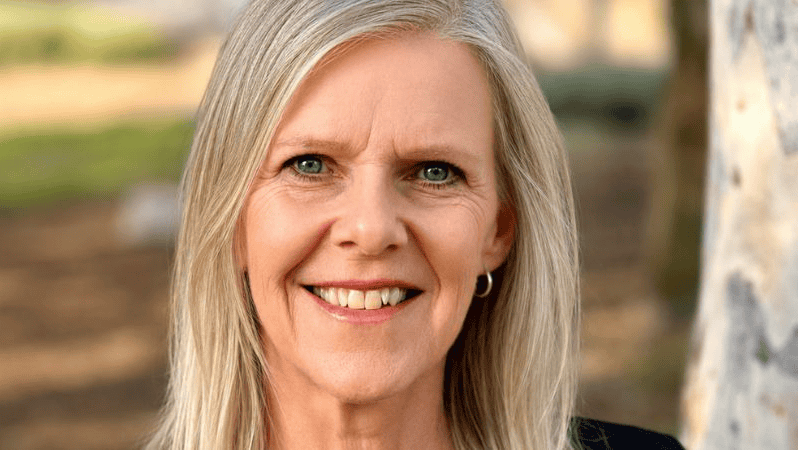
Former ACT government school principal Janelle Rowe conducted a series of media interviews last week, saying she left her role after 34 years as a teacher because her superiors would not allow her to replace Wear It Purple Day with a broader anti-bullying program that was not specifically focused on sexuality or gender diversity.

Wear It Purple Day was co-founded by Katherine Hudson and Scott Williams in 2010. At the time, Williams was in his final year of high school, while Hudson was a first-year university student.
Held on the last Friday of August, the initiative was inspired by the death of US teenager Tyler Clementi, who was subjected to bullying related to his sexuality. Participants are encouraged to wear purple, while schools, educational institutions and workplaces host speakers and activities focused on bullying prevention, inclusion and mental health awareness.
In an interview with News Corp, Rowe said she objected to the day being presented to students under the age of 12 and would prefer it to be replaced with a more generic anti-bullying program.
Rowe said her view was that the event was “not a harmless dress-up day”.
“It requires teachers to explain what these lifestyles are about to children and I don’t feel it’s the place of schools to be talking about sexualised issues with infants and primary students,” she said.
Appearing on ABC News 24, Rowe said any themed day presented in schools would require staff to explain what the event was about, and she was not comfortable with staff being expected to explain all the letters in the LGBTQIA+ acronym.
“We go into detail about the history and what the day is about. We provide activities,” she said.
“And that’s how I saw that where Wear It Purple Day was going to land. I didn’t want my staff to have to talk about what each of the letters meant.”
Rowe says she took a stand against the event, but that decision ultimately led to her resignation. She denies her actions were motivated by her Christian faith.
“Under the school system’s own codes of conduct, it is inappropriate to expose children to content of a sexual nature. My primary concern was child protection and our duty of care as educators,” Rowe said in a media release.
Rowe is now being represented by the Human Rights Law Alliance, a legal advocacy organisation associated with socially conservative and faith-based causes.
Her comments regarding the LGBTQIA+-focused anti-bullying initiative have been welcomed by the Family First political party, whose national spokesperson is former Australian Christian Lobby executive director Lyle Shelton.
Shelton, who is also seeking election to the NSW Parliament next year, has called for Wear It Purple Day to be banned from schools.
“Janelle Rowe should be regarded as a hero for having the courage to say what countless Australian parents are thinking: four-year-olds do not need LGBTQIA+ sexual and gender concepts introduced to them at school,” Shelton said.
“If I’m elected to the NSW Parliament next March, I will introduce legislation to remove gender-fluid and LGBTQIA+ related teaching that I believe is inappropriate for children from schools.”
“Education ministers across Australia should act. Keep Wear It Purple Day out of schools, restore parental primacy and allow teachers and principals to concentrate on educating children,” he said.
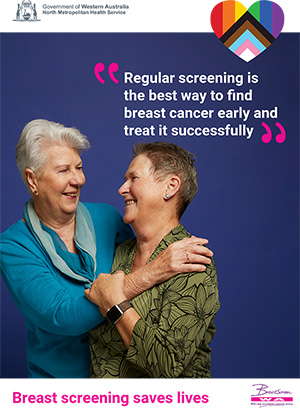
When the event was held this year the Western Australian government noted that the need for a LGBTIQA+ specific inclusion day was backed by research. They noted that resent research has found that over 43 per cent of young Australians experience loneliness, with many reporting persistent feelings of disconnection. However when it comes to LGBTIQA+ youth the number rises to 70 per cent.
“This matters because connection is fundamental to wellbeing. Young people who experience ongoing loneliness are significantly more likely to experience psychological distress and poorer wellbeing outcomes, leading researchers to describe youth loneliness as a growing public health challenge that deserves urgent attention.” the WA government said in their announcement.