

Today is Transgender Day of Remembrance, marking an important opportunity to honour the lives of trans and gender diverse people.
Each year, organisations and grassroots community groups around the world hold vigils on 20 November to honour the memories of trans and gender diverse people who have lost their lives, while drawing urgent attention to discrimination, violence and other issues affecting these communities.
The first vigil was dedicated to Rita Hester, when activist Gwendolyn Ann Smith organised the event to honour her memory in 1999.


Today, Kansas Bird from Trans Justice Adelaide reflected on the importance of the day.
“Trans Day of Remembrance is a day of reflection and mourning for the transgender community. The date commemorates Rita Hester, an American transgender woman who was murdered in 1998.
“TDOR recognises the atrociously high rates of violence committed against transgender people every single day and aims to record the names and ages of every trans person whose life is cut short each year because of transphobia.
“TDOR brings attention to these tragedies because everyone deserves the chance to live a long and happy life, and it endeavours to preserve the memories of every community member we have lost,” Bird said.
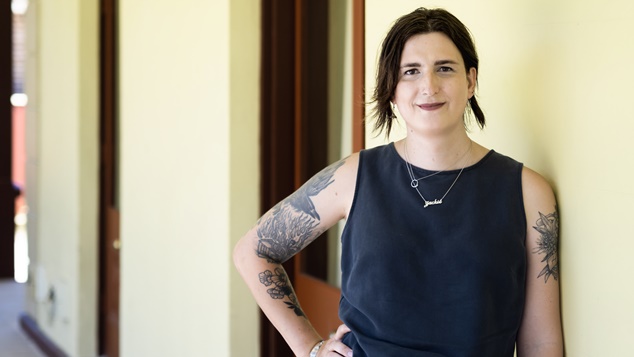
Jackie Turner, Director of the Trans Justice Project, reflected on the significance of the day, which falls during Transgender Awareness Week.
In a week when politicians have been prominently discussing transgender healthcare following the release of a report into the use of puberty blockers in the treatment of transgender young people, Turner said the focus should remain on ensuring people can live happy and fulfilling lives.
“We are all healthier and happier when we have the freedom to make decisions about our own lives and healthcare,” Turner said.
“Now Australia’s highest medical research body has supported the continued prescription of puberty blockers for trans youth. They have affirmed what we already know: decisions about trans youth healthcare should be made by young people themselves, their families and doctors, not by politicians and anti-trans lobby groups.
“The guidelines are not perfect, but they will help ensure that trans youth can access the care they need and that the needs and wellbeing of young people are put first, rather than politics.
“We are calling on all governments to make trans youth healthcare accessible and affordable for everyone who needs it, and for the Queensland and Northern Territory governments to lift their bans on puberty blockers in the public system immediately.”
Turner said the guidelines were not perfect, but will help make sure that trans youth can access the care they need, and that the needs and wellbeing of young people will be put first, not politics.
“We are calling on all governments to make trans youth health care accessible and affordable for everyone who needs it, and for the Queensland and Northern Territory governments to lift their bans on puberty blockers in the public system immediately.” Turner said.