

Transgender and LGBTIQA+ advocates more broadly say inclusion of gender and sexuality questions in the 2026 Australian Census is a landmark moment for our community.
Held every five years, the Australian Census captures a snapshot of who makes up this nation’s population. In 2026, we will be invited to fill out our forms on Tuesday, 11 August.

This year marks the first time questions regarding sexuality and gender will be featured in the Census, following a community consultation process ahead of its preparation.
Speaking to the ABC, the Australian Bureau of Statistics (ABS) Chief Statistician, Dr David Gruen AO, said there was a “substantial level of interest” to include these questions. They were then recommended to, and accepted by, the federal government for publication.
In 2023, the ABS issued a public apology for not counting LGBTIQA+ Australians appropriately, following a complaint brought by Equality Australia and rainbow parent April Long.
Now, gathering this data means policy makers will have a better understanding of Australia’s LGBTIQA+ populations, particularly trans and gender diverse people.
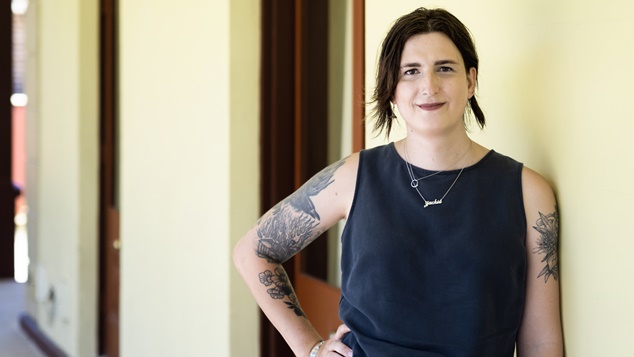
Jackie Turner of the Trans Justice Project says this year’s census is a huge opportunity for our community.
“For the first time, we’ll have meaningful national data showing that trans people are part of local communities across Australia, working, studying and raising families.
“Having meaningful national data helps governments better understand our lives, allocate resources better, and plan the policies and services we need.
“That’s why being counted matters. When we’re represented in the data, we’re in a stronger position to advocate for our needs, our rights, and to be represented in the decisions that shape our lives.”
CEO of Equality Australia, Anna Brown, adds that LGBTIQ+ people can experience higher rates of housing insecurity, loneliness, health issues, and barriers in education and employment.
“This is a sensible and practical change that brings Australia into line with other comparable countries such as the UK, Canada, Scotland and New Zealand.
“But it’s also about recognising that our lives, our families and our communities, are all a part of Australia’s story.”
Brown adds that not counting LGBTIQA+ Australians leaves us invisible in the data that supports better service delivery, funding, research and policy development.
“At the moment we still don’t have a clear picture of how many LGBTQ+ people there are in Australia, where we live, the make-up of our households and families, or our education, health and employment outcomes,” Brown continued.
“This landmark moment changes that. Our lives, families and our communities will finally be reflected in the data that helps shape Australia’s future.”
Intersex Australians still kept in the dark
Intersex advocates say there is more work to be done to properly account for Australians with variations in sex characteristics, or intersex people.
The ABS chose not to recommend a proposed question variations in sex characteristics, following an extensive user testing process.
Dr Morgan Carpenter, bioethicist and Executive Director of Intersex Human Rights Australia says people with intersex variations must be properly recognised and counted in Australia’s data and public policy.
“Testing showed that people with intersex variations are able to answer a dedicated question, while broader community understanding of why a separate question to those on sex and gender is needed remains limited,” Dr Carpenter said.
“That gap in understanding highlights the responsibility of governments and institutions to address misconceptions about intersex variations and ensure our policies are informed by evidence, inclusion and the lived experiences of the people they affect.”