

Gloria Steinem, one of the most recognisable figures of the modern feminist movement, has died at the age of 92.
Her foundation announced her passing on Thursday, saying she had died the previous day.

“Yesterday, Gloria Steinem passed away peacefully at her home in New York City, surrounded by some of the many who loved her,” Gloria’s Foundation said in a statement. The organisation did not specify a cause of death.
Steinem’s passing has triggered a wave of tributes for the journalist, author and activist. Former US Secretary of State Hillary Clinton said Steinem had “pushed open doors not just for herself, but for literally millions of women behind her.”
Entertainer Madonna, songwriters Diane Warren and Carole King, actor and singer Bette Midler, poet and musician Patti Smith, and socialite Paris Hilton all praised Steinem’s work in social media posts. They were joined by tennis legend Billie Jean King, who said: “She lit a torch many years ago. It is now our responsibility to keep it lifted into the future.”
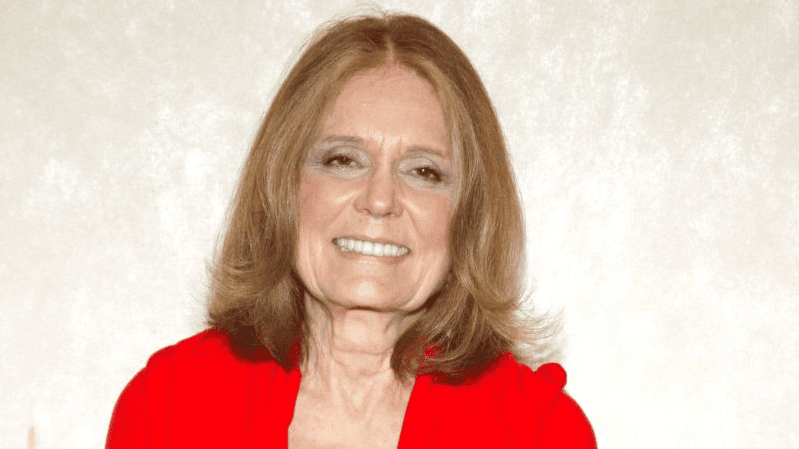
Steinem was born in Ohio in 1934 and spent much of her childhood travelling across the United States with her father, an antiques dealer. After her parents divorced when she was ten, she was raised by her mother in Toledo.
After attending college, Steinem spent two years in India, where she was influenced by Mahatma Gandhi. Upon returning to the United States, she pursued a career in journalism. In 1962, while writing for Esquire magazine, she produced a landmark article examining the pressure women faced to choose between marriage and a career.
Throughout the 1960s she wrote for a variety of publications. Her work included an exposé on the treatment of women at Playboy Clubs, an interview with Beatles member John Lennon, and a report on abortion rights.
In 1972, Steinem co-founded Ms. magazine, which became a publishing sensation. The same year, she became the first woman to address the National Press Club.
The previous year, Steinem was a founding member of the National Women’s Political Caucus. The organisation included prominent feminist activists such as Bella Abzug, Betty Friedan, Shirley Chisholm and Myrlie Evers-Williams. The group played a key role in advancing women’s rights throughout the 1970s, including the organisation of the 1977 National Women’s Conference.
In the decades that followed, Steinem continued to write and campaign for women’s rights around the world. She was also an early advocate for marriage equality, writing about it as a “utopia” as early as 1970. She also expressed support for transgender people in the late 1970s.