

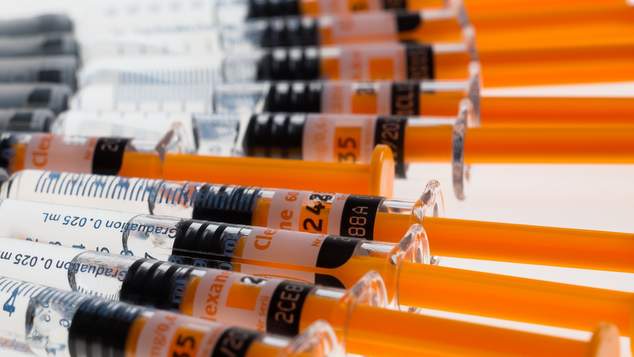
A study has shown that injectable PrEP treatment is more effective than asking people to remember to take a daily pill.

Pre-exposure Prophylaxis (PrEP) is a once a day medication that is highly effective in preventing people from contracting HIV, combined with effective treatments that allow people who are living with HIV to maintain an undetectable viral load, it has made a major difference in the fight against HIV.
In December 2021 the USA Food and Drugs Authority approved the use of an injectable version of the treatment. People visit their doctor for an injection every two months, rather than a daily pill regime.
PrEP requires high levels of adherence to be effective and certain high-risk individuals and groups, such as young men who have sex with men, are less likely to adhere to daily medication.
Other interpersonal factors, such as substance use disorders, depression, poverty and efforts to conceal medication also can impact adherence. It is hoped that the availability of a long-acting injectable PrEP option will increase PrEP uptake and adherence in these groups.
At the Conference on Retroviruses and Opportunistic Infections (CROI 2022) an update was given on HPTN 083, the study looking into the ongoing use of the injectable medication.
Four and a half years of data are now available. The efficacy of cabotegravir injections relative to oral PrEP using tenofovir disoproxil fumarate plus emtricitabine (TDF/FTC) remained almost unchanged. People taking the injections had only a third as many HIV infections as people taking pills.
The massive ongoing study involves 4,566 participants who are located in the USA, Latin America, Thailand and South Africa.
While injectable PrEP may soon be approved for use in Australia it’s likely to remain very expensive until the government adds it to the Pharmaceutical Benefits Scheme.
Scientist are currently exploring other options for PrEp treatment beyond daily pills. These include implant options, and other injectable treatments that may only require an injection once every six months.
Read more about the report at NAM: AIDSmap
OIP Staff
Get the facts about living with HIV at WAAC.

You can support our work by subscribing to our Patreon
or contributing to our GoFundMe campaign.