

Lung cancer is Australia’s leading cause of cancer death and for many in the LGBTIQ+ community, it is a bigger risk than most people realise.
In 2026, 9,000 Australians, that’s almost 2 in 3 diagnosed, will die from lung cancer discovered too late for treatment options.

The new Australian National Lung Cancer Screening Program, launched in July 2025, has already scanned more than 60,000 Australians displaying no symptoms, and is being hailed a major step forward.

Professor Fraser Brims, a Consultant Respiratory Physician at Sir Charles Gairdner Hospital, said the lung cancer screening program is doing exceptionally well.
“Routine screening detects lung cancer much earlier, when treatment is more likely to succeed, and saves lives,” he said
For the LGBTIQ+ community, who often face higher smoking rates and additional barriers to health care, this screening program is especially important as it’s a chance to catch lung cancer sooner and reduce preventable deaths.”
Lung cancer often has no symptoms until the disease is well developed, the cancer has spread, and treatment options are limited, which is why survival rates are still relatively low compared with other common cancers.
Why the LGBTIQ+ community is at higher risk
Many LGBTIQ+ people are at increased risk of lung cancer, mainly because studies show smoking rates in these communities are higher than in the general population. This is not about individual choices, but about the impact of stigma, discrimination, minority stress and social exclusion which can lead to higher rates of smoking, alcohol use and other substance use.
Can you get lung cancer if you have never smoked?
Yes, it is possible to get lung cancer even if you have never smoked. In Australia and other countries, 1 in 5 cases of lung cancer occur in people who have never smoked or who smoked very little. These cancers can be caused by other factors such as exposure to second-hand smoke, radon gas, air pollution, asbestos, or a family history of lung cancer.
What this means for you
If you are aged between 50 to70, have smoked for many years (or quit in the past 10 years), and are worried about lung cancer, it is worth talking to your GP or nurse practitioner about whether you might be eligible for the free National Lung Cancer Screening Program.
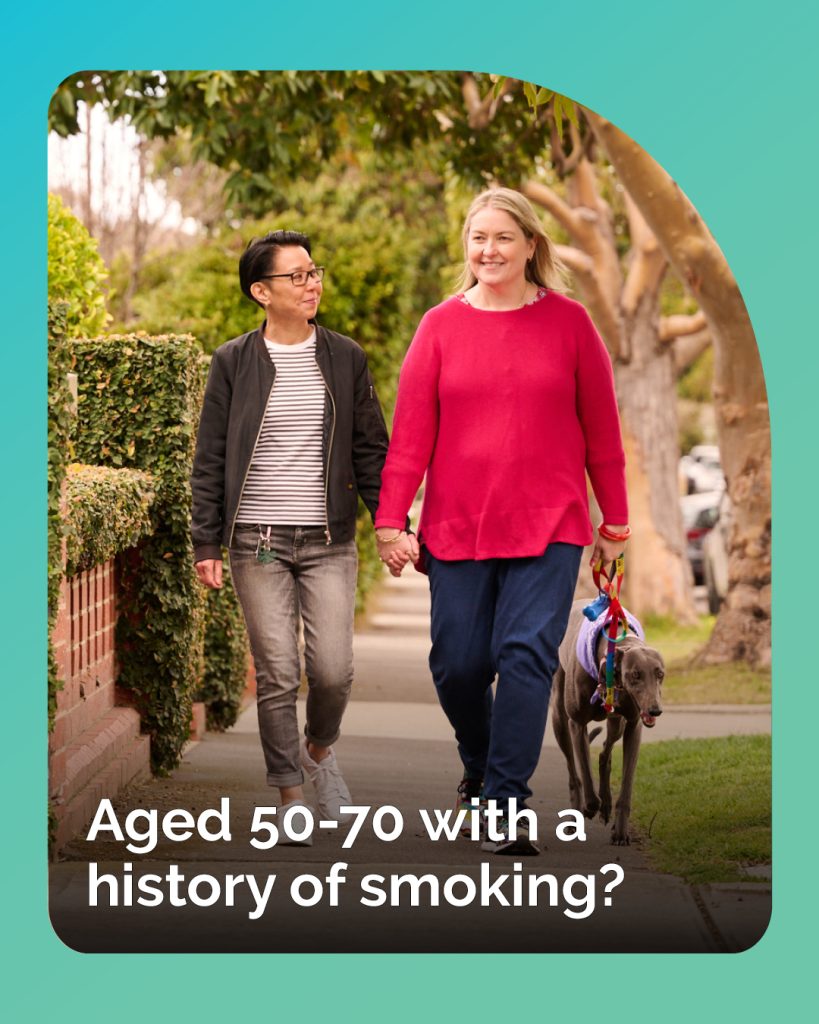
It’s Good to Know campaign provides LGBTIQ+-inclusive resources about lung cancer screening.
Declaration: Professor Fraser Brims and OUTinPerth editor Leigh Andrew Hill are both employed by Curtin University.