

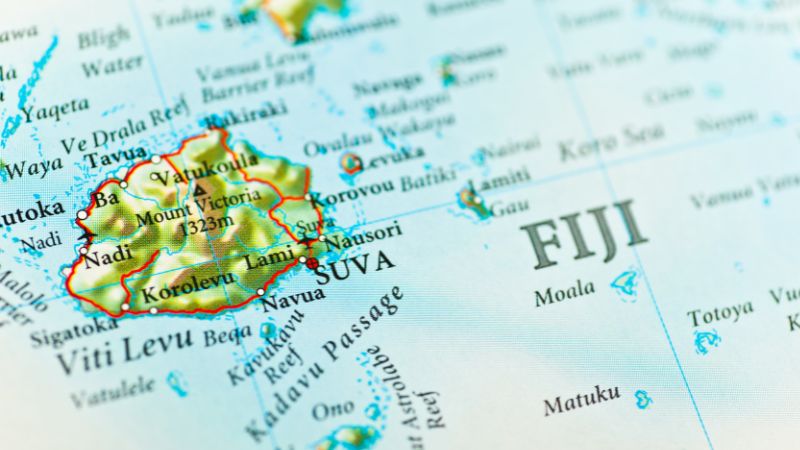
The rapid rise of new diagnosis of HIV in Fiji is continuing to alarm health officials. The number of Fijians living with HIV is now at least 9000 people, which is almost one percent of the nation’s population.
Concern was raised over the rising level of new diagnosis in late 2024, and in January last year the World Health Organisation described it as an “escalating HIV epidemic”.

Fiji’s National HIV Outbreak and Cluster Response chair Dr Jason Mitchell said the level of HIV being detected is still a major concern.
“In 2025 alone, we recorded 2016 new cases … a 723 percent increase in three years,” he was quoted as saying by The Fiji Times.
The level of new cases in Fiji has been gradually rising for several years. They officially recorded 121 new HIV cases in 2021, which rapidly escalated to 245 in 2022, 415 in 2023 and 1,583 new HIV cases in 2024.
Fiji’s Health Minister Dr Ratu Atonio Lalabalavu has defended the government’s response and highlighted that last year’s budget included an allocation of USD$4million to tackle the crisis.
A rapid response assessment by the Kirby Institute and UNAIDS has determined that the outbreak of new cases is attributed to drug use and unsafe injecting practices. They found found that many people who inject drugs in the capital of Suva face syringe scarcity, unsafe injecting practices and fear of discrimination when seeking health services.
Now authorities are seeing cases spread further through the population and of particular concern is children being born with HIV.
While needle exchange programs and improved sex education have been recommended they have been slow to be introduced as legislation needs to be amended, and there are challenges getting the message across in conservative and deeply religious country.
Fred Wesley, the editor of the country’s major newspaper The Fiji Times, has called on more decisive action to be taken. In a editorial published this week Wesley said the country had failed to action swiftly.
“Our strategies are not keeping pace with a growing public health crisis.” Wesley warned, highlighted that the Principal medical officer for Sexual and Reproductive Health and HIV at the Fiji Ministry of Health and Medical Services, Dr Dashika Balak, has highlighted the country had been using the same approach for decades.
While other countries have embraced PrEP and PEP treatment options, Fiji is still talking about abstinence, infidelity, and condom use. Leading to the Fiji Times to call for a radical rethink to meet modern science and knowledge.