

Premium Content:

Bibliophile | 'Troop Train' remembers generations of women left behind

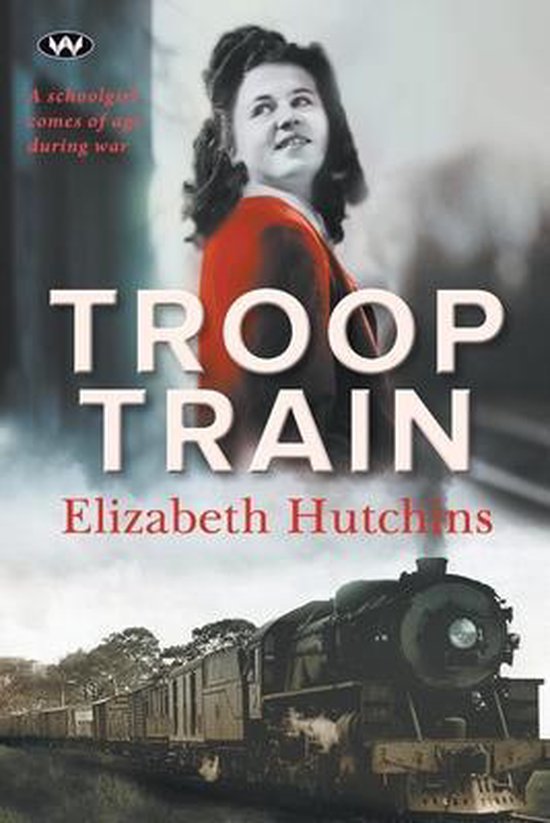
Troop Train
by Elizabeth Hutchins
Wakefield Press

It was February 1942 when the Japanese military overran Singapore and 14 year-old Rosemary Lister writes in her diary that they have been hanging black curtains in every window of their Adelaide house. Darwin had just been bombed and the last thing Rosemary’s family had heard was that her father Les had been heading towards Singapore with his regiment.

- Advertisement -

While her eighteen year-old sister Heather, who works on a munitions factory, gets to stay in Adelaide and live in a boarding house with her best friend, Rosemary and her mother Sylvia are moving to her mother’s sister’s dairy farm to help out after the death of Aunty Joyce’s husband.

Unlike Heather who couldn’t wait to leave school, Rosemary had dreams of going to university, or at least teachers’ college. While cooking, chooks and chores occupy her life at the farm, she writes her diary in the hope of sharing it with her father on his return.

Rosemary cuts out newspaper articles as the war continues and her family still doesn’t have any word about whether her father is dead or alive. Four years later, the final troop train arrives at the country town to lives that have been forever changed.

As the Japanese bombed Australia’s north, the government had a campaign – ‘Fashion for Victory’. Women were asked to cut down on the amount of material the used when sewing clothes – as was the norm at the time. There were to be no cuffs on trousers, no double-breasted suits and no buttons on coat sleeves. There were to be no evening frocks or party dresses for children, and there was even an austerity cookbook.

Elizabeth Hutchins uses the voices of actual women left behind as wars raged around the world by interviewing many survivors who shared their experiences. War effected three generations of women in her book and Huchins transforms the oral histories into a fascinating coming of age story for the generations of women whose lives were forever changed.

Lezly Herbert


You can support our work by subscribing to our Patreon
or contributing to our GoFundMe campaign.

Latest

On This Gay Day | Merle Miller declared what it means to be a homosexual

The essayist came out in 1971 when he published an landmark essay about homosexuality.

Queer Screen reveals exciting Mardi Gras Film Festival program

The festival will screen two weeks of LGBTIQA+ cinema as Sydney celebrates Mardi Gras across the city.

Equality Australia urges government to work with The Greens on hate speech laws

“Leaving any group unprotected implies their safety matters less and that violence against them is tolerated."

2026 WA Premier’s Book Awards open for nominations

This year's awards will have a total prize pool of $120,000 spread across eight categories.

Newsletter

Don't miss

On This Gay Day | Merle Miller declared what it means to be a homosexual

The essayist came out in 1971 when he published an landmark essay about homosexuality.

Queer Screen reveals exciting Mardi Gras Film Festival program

The festival will screen two weeks of LGBTIQA+ cinema as Sydney celebrates Mardi Gras across the city.

Equality Australia urges government to work with The Greens on hate speech laws

“Leaving any group unprotected implies their safety matters less and that violence against them is tolerated."

2026 WA Premier’s Book Awards open for nominations

This year's awards will have a total prize pool of $120,000 spread across eight categories.

‘Campfire’: Award-winning circus show heading to Fringe World

Fusing comedy, horror and circus, Campfire is taking audiences into the wilderness this Fringe World season.

On This Gay Day | Merle Miller declared what it means to be a homosexual

The essayist came out in 1971 when he published an landmark essay about homosexuality.

Queer Screen reveals exciting Mardi Gras Film Festival program

The festival will screen two weeks of LGBTIQA+ cinema as Sydney celebrates Mardi Gras across the city.

Equality Australia urges government to work with The Greens on hate speech laws

“Leaving any group unprotected implies their safety matters less and that violence against them is tolerated."
