


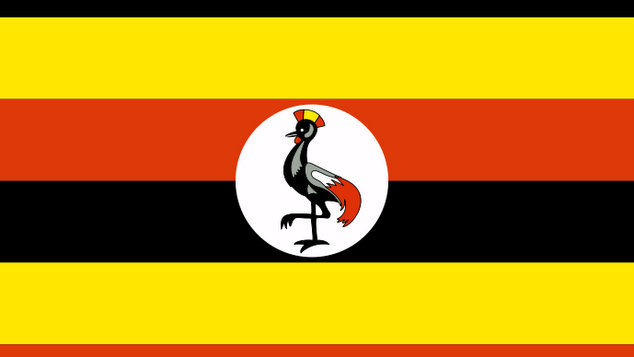
The United Nations General Assembly elected Ugandan Foreign Minister Sam Kutesa as its next President on Wednesday.

More than 9000 people signed a petition for the UN states to block him from taking the role.
The Ugandan government passed a law in February making gay sex punishable with imprisonment (life sentences for “repeat homosexuals”, seven years in jail for those helping gay people avoid detection, and five years for “promoting homosexuality”). Kutesa supported the laws on the world stage, stating “the majority of Africans abhor this practice”, he also added that “we shall not accept promotion and exhibition [of homosexuality], because we think that is wrong for our young people and it offends our culture.”
Kutesa has been a long time ally of Uganda’s President Yoweri Museveni, who has remained in power since 1986. Kutesa’s daughter is married to Museveni’s son.
Kutesa was ousted from his position as a junior investment minister over charges he abused his office and since 1999 has been implicated in two more scandals involved allegations of bribery but the cases never came to conviction. He has denied all allegations against him.
Kutesa’s candidacy for President of the UN General Assembly caused widespread concern from a number of human rights activists. Milton Allimadi of Black Star News stated that Kutesa represented “the very antithesis of what the UN is supposed to embody globally – peace, security and human rights for everyone”.
U.S. Ambassador Samantha Power stated that the General Assembly and its President must focus on human rights “at a time when girls are attacked by radical extremists for asserting their right to an education; representatives of civil society are harassed and even imprisoned for their work; and lesbian, gay, bisexual, and transgender people are endangered for who they are, including by discriminatory laws.”
Kutesa will for the next year preside over the meetings of the UN General Assembly, the annual meeting of 193 nations that will occur in New York in September and be attended by President Obama and other world leaders.