

In 1981, the New York Times ran one of the first mainstream media articles covering what would later be recognised as HIV and AIDS.
On the 18th May 1981 a news article has been published in the gay press. On 5 June 1981, the US Centers for Disease Control and Prevention issued a notice describing cases in gay men who had died from rare, usually treatable diseases.

News reached the mainstream media on 3 July 1981 with an article titled “Rare Cancer Seen in 41 Homosexuals”, written by Lawrence K. Altman.
“Doctors in New York and California have diagnosed among homosexual men 41 cases of a rare and often rapidly fatal form of cancer. Eight of the victims died less than 24 months after the diagnosis was made.
“The cause of the outbreak is unknown, and there is as yet no evidence of contagion. But the doctors who have made the diagnoses, mostly in New York City and the San Francisco Bay area, are alerting other physicians who treat large numbers of homosexual men to the problem in an effort to help identify more cases and to reduce the delay in offering chemotherapy treatment.” the article read.
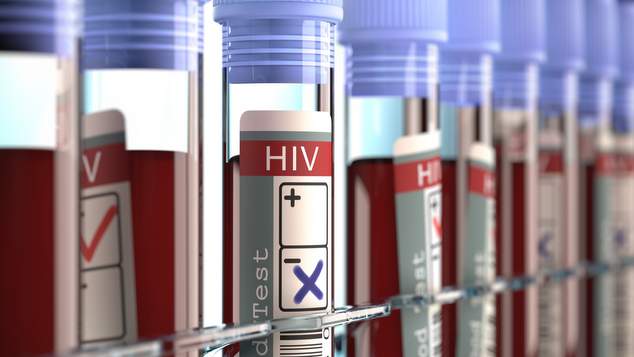
Initially, the syndrome was referred to as GRID – Gay Related Immune Deficiency, reflecting early assumptions about who was affected. Doctors later observed similar symptoms in other groups, including people who used intravenous drugs, haemophiliacs, and Haitian patients. The term “4H disease” was used during this early period, though it is now recognised as inaccurate and stigmatising.
By 1982, as understanding improved, the condition was renamed Acquired Immunodeficiency Syndrome, or AIDS.
In 1983, two independent research groups identified what they believed to be new retroviruses affecting patients with AIDS. By 1986, these were confirmed to be the same virus and named Human Immunodeficiency Virus, or HIV.
More than four decades after these first reports, there is still no cure for HIV. However, people living with the virus can lead long and healthy lives with appropriate treatment. Modern therapies can reduce viral load to undetectable levels, and preventive treatments such as pre-exposure prophylaxis (PrEP) can significantly reduce the risk of transmission.
The original report can be read in the archives of the New York Times.
OIP Staff, this post was first published in 2021 and was subsequently updated.