

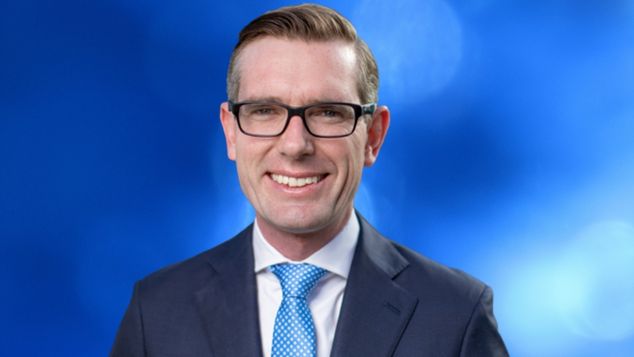
New South Wales premier Dominic Perrottet has announced that any bans on conversion therapy in New South Wales will include religious provisions that will allow people to pray and preach on matters relating to sexuality.

“There is no place for harmful practices in our state. Since this issue was raised, people have raised with me examples of food deprivation, electroshock therapy. Well, those practices are wrong, and we will move to outlaw them,” the premier said at a multi-faith forum on Wednesday night according to the Sydney Morning Herald.
“At the same time, we will not ban prayer, we will not ban preaching. That is fundamental to freedom of religion in this state and in this country. We can do both. We can ban harmful practices and we can protect freedom of religion in our state.
“It’s not one or the other, it’s respecting everyone’s perspectives in relation to this and having a balanced approach.” the premier said.
On Friday Perrottet gave his “in principle” support to bringing in laws banning conversion therapy and other change and suppression practices relating to sexuality and gender.
The need for legislation had become an election issue after independent MP Alex Greenwich said he would not support a party who was not in favour of changing the laws. With Labor leader Charis Minns declaring his support, Perrottet announced the Liberals were also in favour of changing the laws.
While Victoria’s laws clearly outlaw conversion practices in religious based settings, the premier said his government would be seeking a balance that protected religious rights.
“Where we’ll land is the banning of harmful conversion practices in NSW, and at the same time protecting the right of freedom of religion to pray and preach,” he said.
The premier’s declaration at the event that there would be religious protections followed a question from Monica Doumit, who is the director of public affairs for the Catholic Archdiocese of Sydney. Doumit, who was a prominent campaigner against marriage equality welcomed the premier’s commitment to church groups.
Doumit said it was important to recognise that some people may want to choose their religious identity over their sexual identity.
New South Wales residents will head to the polls on Saturday 25th March.
OIP Staff


You can support our work by subscribing to our Patreon
or contributing to our GoFundMe campaign.