

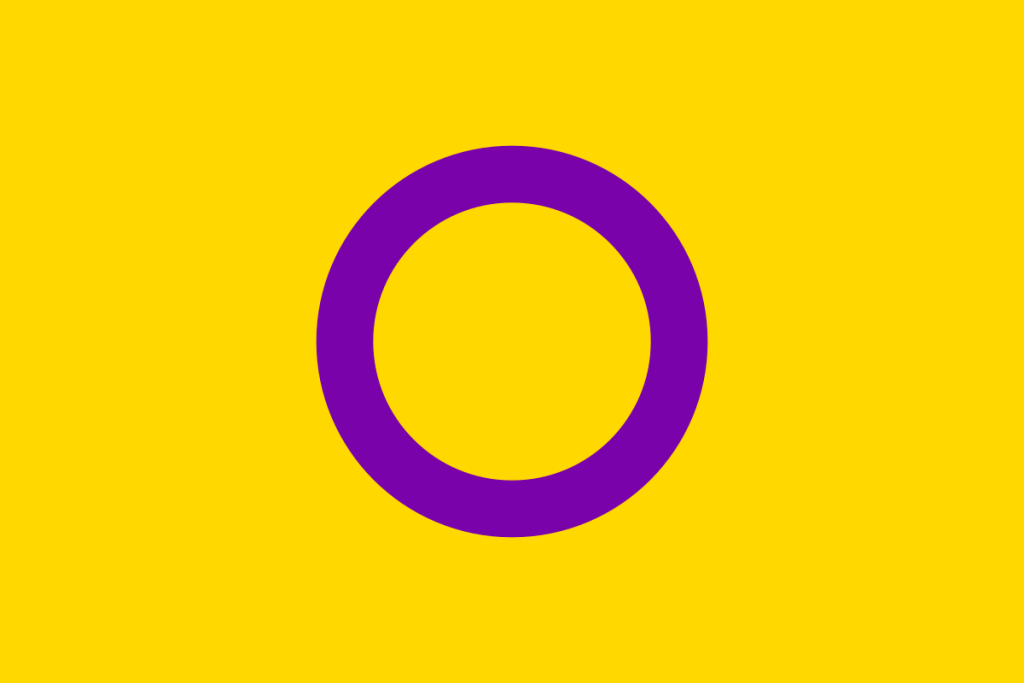
The Victorian Government has today introduced a bill to Parliament seeking to provide greater protections for intersex children.
The Health Safeguards for People Born with Variations in Sex Characteristics Bill 2025 would place restrictions on unnecessary or deferrable medical treatment until the individual can give informed consent.

The legislation would also see the formation of an independent expert panel which includes people with lived experience and experts from the fields of human rights, mental health, ethics and law, who will be empowered to oversee medical treatment plans for children with variations of sex characteristics.
Treatment will only be able to be approved if the person faces significant harm without it, and no safer, effective alternative exists. Urgent and medically necessary medical care would continue without interference.
Patients and their families will be now be supported with consistent information about the relevant intersex variation, proposed treatments, risks and benefits and alternatives, including deferring or not intervening at all. Parents will still need to consent to medically necessary treatment on their child’s behalf, and clinicians will continue to lead medical care, supported by new safeguards and processes.
Drafting of the Bill has been informed by years of advocacy from intersex advocates and LGBTIQA+ organisations, and guided by the (i) Am Equal report and the state’s LGBTIQA+ Strategy. The reforms also come in light of calls from the Australian Human Rights Commission and the Australian Medical Association to better protect intersex people.
Advocates welcome introduction of the Bill
Intersex advocates and LGBTIQA+ organisations have welcomed the news, among them Executive Director of Intersex Human Rights Australia (IHRA), Dr Morgan Carpenter.
Dr Carpenter explains people with intersex variations routinely undergo harmful practices.
“[We undergo] unnecessary medical interventions before we can consent – to make our bodies fit gender stereotypes or to mitigate hypothetical risks of stigmatisation.”
“Unnecessary medical interventions without personal consent don’t reduce stigma – they reinforce it. The resulting loss of sensation, function and bodily autonomy all contribute to adverse physical and mental health. For decades, InterAction and our founding organisations have sought legislative protections from harmful practices.
“Victoria is the first state and the second jurisdiction in Australia to introduce these vital reforms. We thank the government for its heartfelt support, we invite all members of parliament to support these measures, and we encourage other Australian governments to step up.”
Veteran intersex advocate and Co-Chair of InterAction for Health and Human Rights Tony Briffa says this Bill is about safeguarding every person’s right to make decisions about their own body.
“Procedures that alter sex characteristics raise profound and deeply personal questions – questions that I wish I had the chance to answer for myself,” Briffa said.
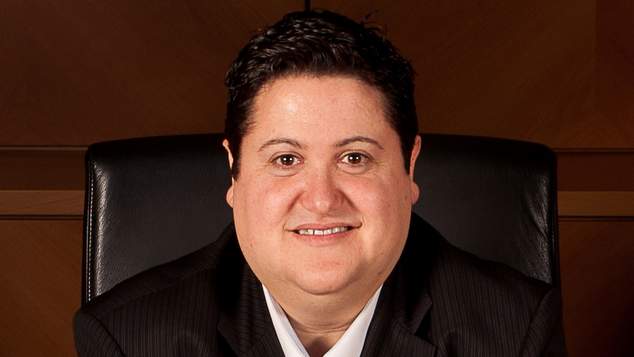
“Today is very emotional for me – I have spent 25 years fighting to see these reforms make it to parliament to protect future generations of intersex children in Victoria.
“I commend the government for introducing legislation that protects a child’s right to make these incredibly personal and intimate decisions for themselves when they are mature enough, and I call on other states to adopt similar protections.”
Equality Australia CEO Anna Brown adds that the Bill marks a significant development in advancing the human rights of intersex people in Victoria.
“These reforms will ensure intersex people can decide what happens to their own bodies, so they are not left with the physical and psychological scars of unnecessary medical decisions made about them without their say.
“Too many intersex people have had to live with the consequences of decisions they had no real part in – and which could have waited until they were old enough to have a say.
“We urge all MPs to back these reforms and help protect future generations from harm.”
If passed, Victoria will follow the Australian Capital Territory in introducing these protections for intersex children, becoming the first state to do so.