

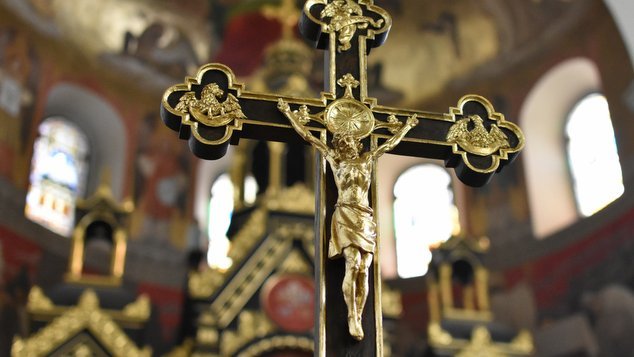
Gay conversion therapy practices in Australian churches has been thrown into the spotlight following a report on Channel Nine’s 60 Minutes program.

The report which aired on Sunday night showed undercover footage shot within Australian evangelical churches and at meeting with church based counsellors.
On the program Dr Timothy Jones from Melbourne’s La Trobe University shared that research has shown that many people exposed to the unregulated counselling practices end up with mental health challenges and contemplate self harm.
His research has uncovered at least 10 church based organisations in Australia that offer counselling for sexual attraction.
Appearing on the program Martyn Illes, the Managing Director of the Australian Christian Lobby said The Bible was clear that no form of sex outside of marriage was acceptable. Illes said people who did not meet this standard had the option of not being part of the church. Illes defended the counselling programs saying people opted to be part of them.
In the report from journalist Sarah Abo, one gay man Robert Williams, who has left the church, went undercover to record counselling sessions within several churches.
At a church in Brisbane Williams was told that his sexuality was because of a spirit taking over him, and brokenness in his life. He was advised to be celibate or aim at having a meterosexual marriage.
In the report survivors of the counselling programs shared how they had experienced psychological stress because they were unable to meet the expectation of the counselling programs.
Martin Illes argues that the practices outlined in the 60 Minutes report are not conversion therapy but are better described as voluntary counselling. Illes says plans in Victoria to criminalise the practices are making Christian beliefs illegal and attacking religion.
OIP Staff
Do you need some support?
If you are struggling with anxiety or depression, support and counselling are available from:
Lifeline: 13 11 14 or lifeline.org.au
Beyondblue: 1300 22 4636 and www.beyondblue.org.au
QLife: 1800 184 527 and www.qlife.org.au
QLife are a counselling and referral service for Lesbian, Gay, Bisexual, Transgender and Intersex (LGBTI) people.