

Premium Content:

Germany moves towards ending gay blood donation discrimination

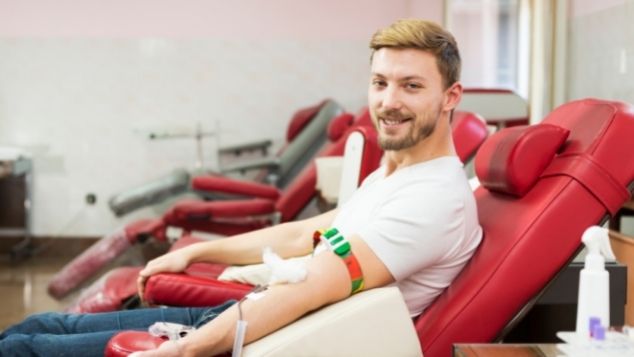
The German government has pledged to end the discrimination experienced by gay/bi men, other men who have sex with men, and some trans folks who want to donate blood.

- Advertisement -

Health Minister Karl Lauterbach has announced the country will move towards using individual risk assessment rather than a blanket rule for all clients. Currently gay men cannot donate if they have had sex with a new partner in the last four months, or if they have had sex with more than one individual.

Heterosexual blood donors are only turned away if they have regularly changed sexual partners.

“Whether one can be a blood donor is a question of risk behavior rather than sexual orientation,” Lauterbach said. “There must be no hidden discrimination on this issue either.

“We have far too few blood donors. Blood is scarce and it saves lives,” the Health Minister said. Lauterbach said once the government changed the laws the German Medical Association (BAK) would be required to adjust their policies.

Like the rules used in many countries, Germany’s policy on who can donate blood was developed in the 1980’s and has gradually been relaxed over the decades.

The Lesbian and Gay Federation welcomed the decision describing it as long overdue.

In late December Lifeblood, the section of the Red Cross that manages Australia’s blood donations said they would undertake research to see if a change is possible in Australia.

Currently in Australia, gay men, and bisexual men, trans women and some nonbinary people who have sex with men, are excluded from donating blood unless they abstain from sex for three months.

OIP Staff


You can support our work by subscribing to our Patreon
or contributing to our GoFundMe campaign.


Latest

Michael Felix named City of Perth Citizen of the Year

Felix was recognised for his leadership across Indigenous empowerment, LGBTQIA+ inclusion, mental health advocacy, homelessness support, and grassroots sport.

Eurovision check-in: Luxembourg and Moldova share their songs

This year thirty five countries, including Australia, will be heading to Vienna for the 70th edition of the songwriting contest in Vienna.

On This Gay Day | French writer Colette was born in 1873

Colette was nominated for the Nobel Prize for Literature and is best known for her novella Gigi 

Tiga’s new single ‘Hot Wife’ sees him reunite with Boys Noize

The new tune is the third taste of his upcoming album 'Hot Life' which will arrive in April.

Newsletter

Don't miss

Michael Felix named City of Perth Citizen of the Year

Felix was recognised for his leadership across Indigenous empowerment, LGBTQIA+ inclusion, mental health advocacy, homelessness support, and grassroots sport.

Eurovision check-in: Luxembourg and Moldova share their songs

This year thirty five countries, including Australia, will be heading to Vienna for the 70th edition of the songwriting contest in Vienna.

On This Gay Day | French writer Colette was born in 1873

Colette was nominated for the Nobel Prize for Literature and is best known for her novella Gigi 

Tiga’s new single ‘Hot Wife’ sees him reunite with Boys Noize

The new tune is the third taste of his upcoming album 'Hot Life' which will arrive in April.

Racing stable faces fine over use of gay slur in social media post

Queensland's Hulbert Racing fined $2,000 for using slurs on social media posts.

Michael Felix named City of Perth Citizen of the Year

Felix was recognised for his leadership across Indigenous empowerment, LGBTQIA+ inclusion, mental health advocacy, homelessness support, and grassroots sport.

Eurovision check-in: Luxembourg and Moldova share their songs

This year thirty five countries, including Australia, will be heading to Vienna for the 70th edition of the songwriting contest in Vienna.

On This Gay Day | French writer Colette was born in 1873

Colette was nominated for the Nobel Prize for Literature and is best known for her novella Gigi
