


In 1999 a series of bombings took place across London. On 30 April a popular gay pub, the Admiral Duncan in Soho, was the target.
The attacker, later identified as 22‑year‑old neo‑Nazi David Copeland, built nail bombs which, when detonated, sent four‑inch nails flying out from the explosion.

On Saturday 17 April a bomb detonated in Brixton, an area of south London with a large Black population. Forty‑eight people were injured in the blast.
The following Saturday another bomb exploded in Brick Lane in East London, an area with a large Bangladeshi population.
The area is busy on Sundays with a popular street market, but Copeland arrived a day early. Rather than reset the device and return, he left the bomb in a sports bag on the street.
A man picked it up and took it to a nearby police station, but the station was closed. The bag was in the boot of his car when it exploded. Thirteen people nearby were injured.
The third and final bomb went off the following Friday at the Admiral Duncan in Soho. The venue on Old Compton Street was in the heart of Soho’s gay community.
As it was the start of a long weekend, the pub and the street outside were extremely busy. Patrons noticed the unattended bag, but as the venue’s manager, Mark Taylor, went to look at it, it exploded.
Three people were killed and seventy‑nine were injured. Many of the victims sustained serious injuries, and four people had to have limbs amputated.
Andrea Dykes, who was 27 years old and four months pregnant, Nic Moore, who was 31, and John Light, who was 32, were killed. All three had gone to the pub together to celebrate Dykes’ pregnancy. Dykes’ husband Julian suffered serious injuries but survived.
Police arrested Copeland after a member of the public recognised him from video footage from the Brixton attack that had been released the previous day. The tip‑off came in just an hour and twenty minutes before the Admiral Duncan explosion. Copeland later revealed he had moved forward his planned attack on the gay venue after becoming aware of the footage placing him at the earlier incident.
After his arrest Copeland was assessed by multiple psychiatrists; most diagnosed him as suffering from paranoid schizophrenia. At his trial, his plea of guilty to manslaughter on the grounds of diminished responsibility was rejected.
On 30 June 2000 he was sentenced to three life sentences. The judge said he doubted Copeland would ever be released. In 2007 England’s High Court ruled that he could not be considered for parole until 2049 at the earliest. Copeland appealed the ruling, but it was upheld.
In 2024, for the 25th anniversary of the bombing, a memorial was held in London, with people meeting outside the venue before walking to the nearby St Anne’s Gardens. They followed a tradition of lighting three candles to remember Andrea, Nic and John.
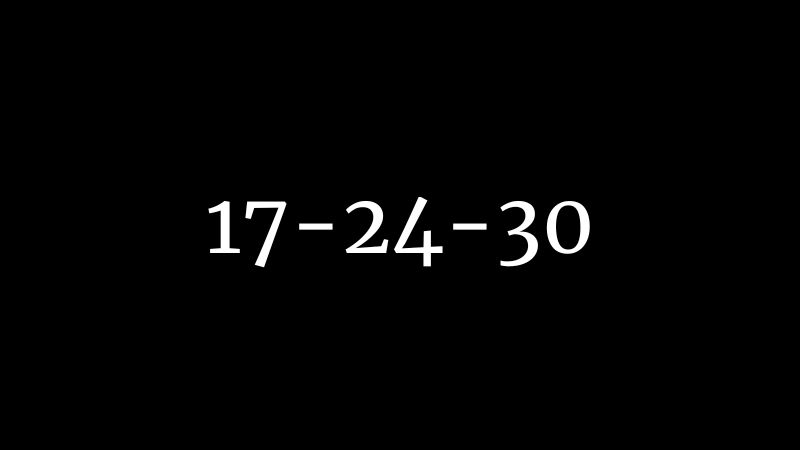
It followed similar gatherings at the sites of the first two explosions. The memorials were organised by the charity 17‑24‑30, which takes its name from the dates of the attacks.
Aside from remembering those killed and injured in the bombing spree, they also take time to speak to people about racism, homophobia and the impact of hate crimes.
Jonathan Cash, one of the patrons injured in the bombing, shared his experience with The Guardian and detailed how the event left him with debilitating post-traumatic stress disorder.
The BBC produced a radio documentary about the bombings, which Cash was interviewed for. He’s also written an award winning play The Domino Effect inspired by his experience and other attacks.