

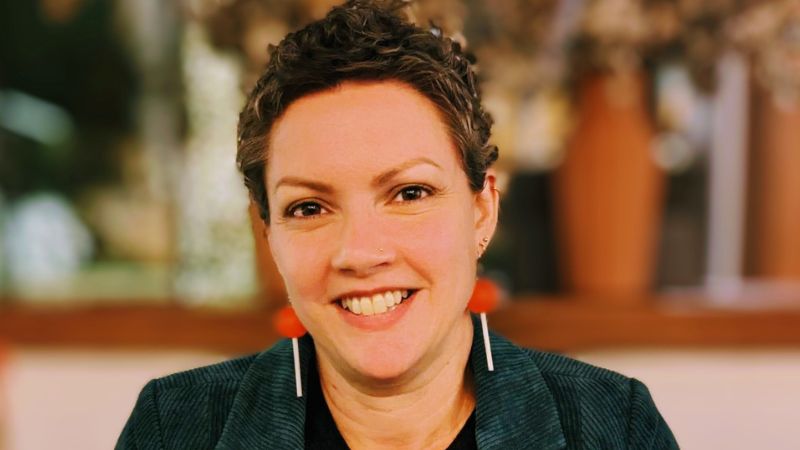
OPINION | Dr Misty Farquhar OAM is the CEO of Western Australia’s LGBTIQA+ peak body Rainbow Futures WA
Western Australians are understandably anxious. The violent attack at Bondi Junction shook the country. Closer to home, a peaceful Invasion Day rally in Perth was disrupted by violence.

As the LGBTIQA+ peak body, Rainbow Futures WA (RFWA) has heard directly from people targeted by anonymous flyer drops in suburban letterboxes in Victoria Park, West Perth, Highgate and Maylands attacking LGBTIQA+ people and communities. We’re also seeing an increase in political commentary amplifying anti-trans rhetoric, alongside organised harassment on social media and apps like Grindr.
These events are not identical, but they share something important: they remind us how quickly division can escalate into real-world harm.
History tells us this is how it begins. Minority communities are first framed as controversial, then as threatening, and eventually as undeserving of equal protection. Political actors test the boundaries of what can be said, and words set expectations. When a public figure describes a minority group as a threat, some listeners interpret it as a signal to act. Others decide it’s safer to stay silent, leading to under-reporting of harm and withdrawal from public life.
The consequences are practical as well as cultural: schools managing conflict, employers addressing bullying, police responding after tensions have already escalated.
There has been real progress. The Premier’s strong condemnation of the January 26 attack and the establishment of a Hate Crimes Unit within WA Police were meaningful steps. These actions are recognition that prejudice-motivated harm ripples far beyond its immediate target. Our community felt that.
But these measures can’t carry the full burden of safety alone.
WA hate crime law protects on the basis of race only, meaning these protections remain incomplete. We continue to wait for a promised update to an Equal Opportunity Act now more than 40 years old. Conversion practices that seek to change a person’s sexuality or gender identity remain legal here. Children with intersex variations are still subject to deferrable medical interventions intended to modify their bodies.
Unclear or incomplete laws create space that can be exploited, leaving schools, employers, and police without the tools to respond effectively.
This is not about suppressing free speech. There is a difference between genuine policy disagreement and organised campaigns that single out a minority community as dangerous. When that line blurs, safety erodes for everyone.
So what can we do? Quite a lot, actually.
This month, Rainbow Futures WA, Youth Pride Network, and Living Proud are calling for change and we’re asking the community to amplify the message.
- Share our social media posts to raise awareness
- Download the media pack and change your profile picture
- Write to your local MP – it takes five minutes and it really matters.
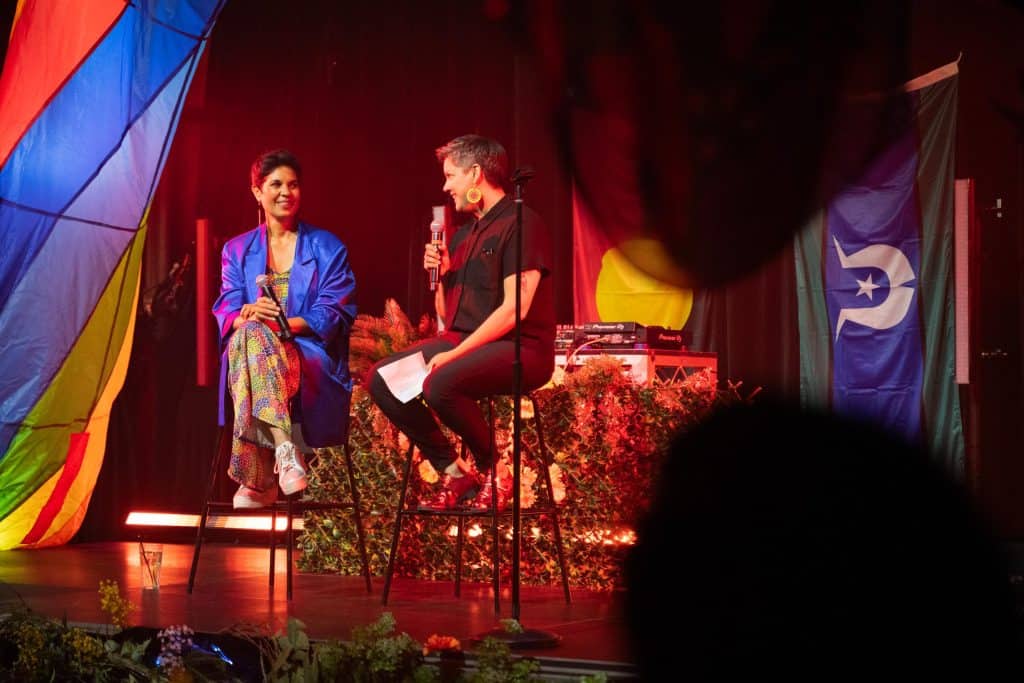
And on Friday 15 May, we invite you to join us for something special. Rainbow Futures WA and Edith Cowan University are hosting the inaugural IDAHOBIT Lecture, LGBTIQA+ First Nations Advocacy to Impact at ECU’s new City Campus. The keynote speaker is our patron, Narelda Jacobs OAM: queer Whadjuk Noongar journalist, presenter, and one of the most compelling voices in Australian public life. Narelda will be joined afterwards by Professor Braden Hill, Tanesha Bennell, and Kurtis Makuru for a panel discussion.
Navigating social change need not descend into fear or scapegoating. But it does require leadership. We need political representatives who condemn hate regardless of party, investment in community cohesion, and a legal framework that reflects contemporary realities.
Public safety cannot be selective. It either protects all of us, or it protects none of us.
Dr Misty Farquhar OAM