

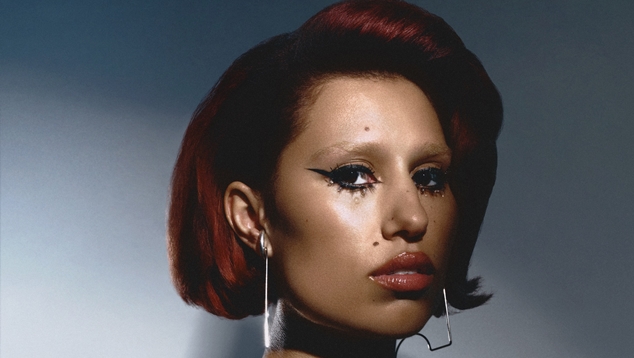
South London-based RAYE today returns as an independent artist, releasing her first new solo music in over a year with Hard Out Here.

It’s been a year since the 24-year-old blew up her career in order to rebuild it. Frustrated at the fact she’d been continually denied the chance to release her debut album by her then label Polydor – despite more than 12m monthly listeners on Spotify, seven top 20 singles and four Brit award nominations to her name, plus songwriting credits for the likes of Beyoncé, John Legend, Little Mix and Charli XCX that have landed her more than 1 billion global streams – she sent a series of tweets that shone a light not only on her own struggles but on the state of female artists caught in an endless loop of faceless dance features and broken promises.
It was in that emotional period between posting her tweets and later being released by Polydor in July 2021 that RAYE started working on Hard Out Here, the barnstorming, emotionally raw new single that finds her turning pain and frustration into a big anthem. Taking aim at her old label, the broader music industry, the patriarchy, and toxic masculinity, Hard Out Here revels in its unfettered honesty.
“I’d been in that record contract for a third of my life,” RAYE says.
“It was a big change to be free. Once I had that closure, it became a journey of healing. Anger was my initial emotion.”
It was in that context that she set up her mic in her makeshift studio in her living room (“no real sound booth,” she smiles) and the lyrics just poured out.
“It’s super angry. I was both crying and red with rage, just writing these lyrics, and capturing how I really felt in that moment.”
“The label model in the past is you put something out and if it doesn’t work pause the entire plan, reshuffle the plan, do a feature, stop everything and start over,” RAYE continues.
“If you need to put yourself in that place, like if you’re in a place of suppression, put this on and remind yourself who you are and that you’re going to bounce back.”

You can support our work by subscribing to our Patreon
or contributing to our GoFundMe campaign.