

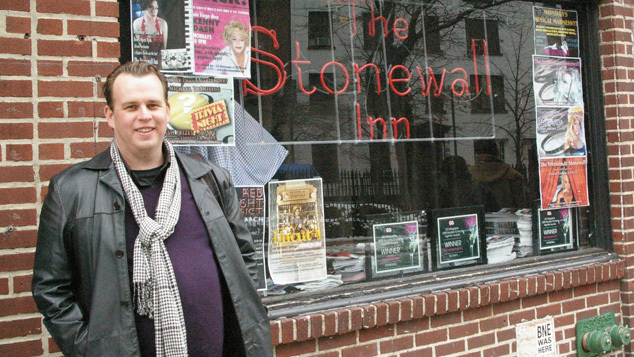
If there’s a spot LGBTI people most make a pilgrimage to it’s 53 Christopher Street in New York’s Greenwich Village.

Here lies the Stonewall Inn, it’s one of several LGBTI venues in the area, but none of the others have the historic importance of Stonewall.
It was here, that on this day, forty nine years ago that the LGBTIQ+ community decided it had had enough of discrimination, intolerance and homophonia. Tired of the police raids and ill-treatment the patrons of the Stonewall Inn – a gay bar fought back.
When the police raided the bar they lost control of the situation and were forced to retreat, the local community in Greenwich village organised a protest the next evening, and clashed police once again. Each night the protests grew bigger, and within weeks the area had been established as a place where marginalised people could be open about their sexuality.
The fight for LGBTI rights didn’t start at Stonewall, but it changed gears and became far more vocal and visible on that night. The battle for respect, acceptance and continues today. The shock waves of Stonewall lead to the Sydney Gay and Lesbian Mardi Gras, and countless other events around the globe. The bar is a great grandparent to thousands of local venues around the world where LGBTI people find solace, refuge and belonging.
Almost a decade ago I got to fulfill my lifelong dream of visiting New York. I think it’s the greatest place I’ve ever been. From the craziness of Times Square, walking through the Garment Area – imagining you’re on Project Runway and spending nights catching shows on Broadway before checking out the city’s many different LGBTI venues.
We spent our days doing all those quintessential New York things like eating bagels and pretzels, watching the ice skaters at the Rockefeller centre, walking in Central Park and getting into the audience for Dave Letterman’s Late Show. New York was a blast.
One of the most memorable things we did though was to make a pilgrimage to The Stonewall Inn. On a very cold February morning my partner and I stood across from the Inn, in Christopher Park. We stood where the protestors gathered on the first night to talk about what had happened.
Standing in the park today are sculptor George Segal’s timeless four white figures, depicting the community that gathered on that night. Covered in a good two foot of snow, on a quiet morning they gave us a moment to reflect on all the people who have fought for the rights we enjoy today.
On the Friday night we returned to the Inn, there was dance music playing, drinks being served and the drag performance from Enchilada was hilarious. Across the other side of the small triangular park at Monster it was Latino night. New York parties well every night of the week and the birth place of the gay rights movement was clearly still a very gay neighbourhood.
While Stonewall on it’s 49th anniversary Stonewall might seem like a lifetime ago, for many LGBTI people around the world, the first wave of that revolution is yet to reach them.
If you live in many countries in Africa, or parts of Russia, you’re still waiting for that moment where people stand up without being pushed back down.
For many of us in Western Countries we know enjoy freedoms and acceptance that many of the people who stood up on that hot night in 1969 could never have dreamed of. We have to keep fighting so that transgender, non-binary and bisexual people do not experience prejudice.
If you enjoy any of the freedoms that those who stood up 49 created for you, you are indebted to fight for those same freedoms for people who still do not enjoy them today.
Graeme Watson
This article is adapted from a story previously published story at OUTInPerth.