

WA Spokesperson for Just.Equal, Brian Greig, said our state was now the last in the country to address conversion practices with prohibitive legislation.
The concern follows legislation being introduced into the Tasmania parliament today, showing they are moving forward on the issue while Western Australia treads water.

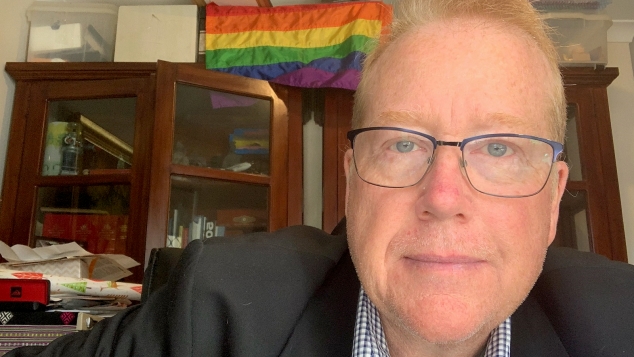
“It is shameful that WA is now becoming a ‘sanctuary’ state where it is safe for practitioners of this harmful quackery to inflict psychological torment on vulnerable people.
“Despite repeated promises and an inexplicable amount of ‘consultation’ over several years, the McGowan, then Cook Governments, have not produced any bill.
“Every other state has overtaken us with legislation of varying degrees of effectiveness.” Greig said.
“Laws in Queensland and South Australia are very weak, because they exempt religious groups or include caveats that harm survivors.
“By contrast, bans in Victoria and NSW are strong and effective, and the Tasmanian Bill has drawn from those to build the most effective legislation the country has yet seen,” Brian Greig commented.
Greig said with the Tasmanian bill expected to pass easily in the next two months it will set a new standard for the country.
“This matters for WA, because Attorney General, Tony Buti, has flagged that he will move to ban conversion practices in this term of government. But there has been no public discussion on his thinking or how this bill might look.
“With Tasmania now setting the ‘gold standard’ with innovation and effectiveness, it should be unthinkable for our Attorney General to fall short of that model,” Mr Greig said.
Just.Equal has written to the Attorney General seeking a commitment that the Cook Government’s long-awaited bill to ban conversion practices will not be weaker or less effective than the Tasmanian approach.
Western Australia has been looking at bringing in legislation for a long time
Attorney-General Tony Buti has previously indicated that Western Australia’s legislation will be introduced into parliament before the end of 2026.
Labor promised to bring in the legislation back in 2022 following a parliamentary inquiry into the operations of Esther House, but now Premier Roger Cook first made a commitment to look into the issue when he was Health Minister back in 2017.
In 2024 the Cook government said it had run out of time to address the issue during its second term of government, but was committed to bringing in the legislation if reelected in 2025, but there was no legislation forthcoming in 2025.
The report into the activities at Perth’s religious based facility Esther House highlighted Western Australia’s lack of legislation specifically outlawing conversion practices and suppression practices that aim to change a person’s sexuality or gender.
Last year Medical Journal Australia published a new analysis of a study they published back in 1987. The report from Dr Robert Kosky reported that eight children who were removed from their families for long stretches and treated in a Perth hospital facility located at Stubbs Terrace reportedly ceased expressing gender behaviour that did not align with their birth gender.
The paper argues that the patients gender dysphoria was a result of poor family dynamics, and it could be corrected during a long hospital stay. Upon the release of the report the government said it was confident that similar practices were not being used in government facilities today.
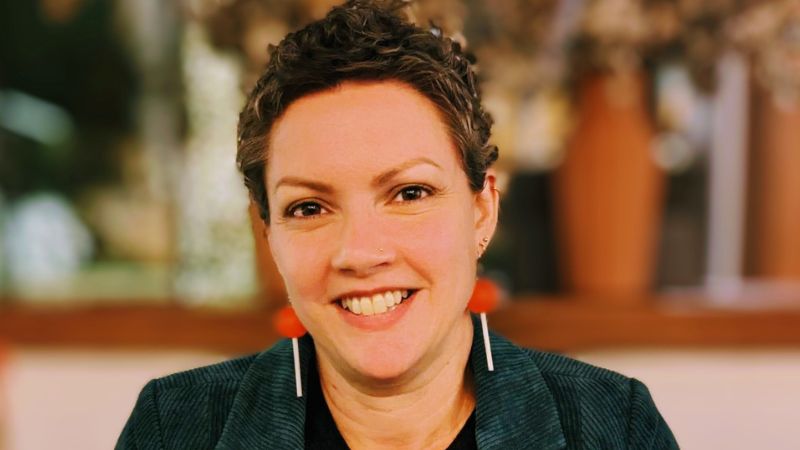
In January Rainbow Futures CEO Dr Misty Farquhar said it was essential the government progressed the proposed legislation.
“We know that conversion practices are still happening today, in both religious and non-religious settings. We also know that dangerous notions of suppressing, changing or “correcting” sexuality and gender carry long-term consequences for people subject to these practices.
“The Government must follow through on their repeated promises and actually deliver long awaited legislation to ban conversion practices in WA and resource survivor supports. Rainbow Futures and Ending Conversion Practices WA call for legislation with no loopholes for medical professionals, that empowers accessible reporting and provides protections from further harm.” Dr Farquhar said.