


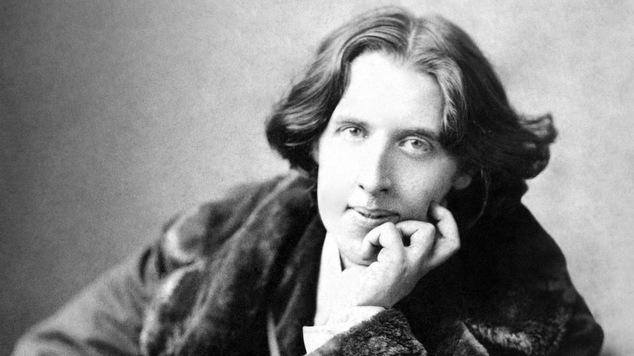
Author Oscar Wilde was one of the most acclaimed playwrights and novelists of the late nineteenth century, and his work continues to be performed around the world today.
He was known for his wit, sharp observations on life and society, and flamboyant style of dress. He also became the focus of one of the most famous legal scandals of the Victorian era, which exposed his relationships with men and ultimately led to his imprisonment.

Born in Dublin on this day in 1854, Wilde initially built his reputation through poetry, essays, lectures and theatre. He later travelled throughout the United States, delivering lectures on “The English Renaissance” in art. Upon returning to London, he continued to draw audiences with talks about his American travels.
His only novel, The Picture of Dorian Gray, was published in 1890 and captured the public imagination. He then wrote, in rapid succession, four plays that satirised English society.
An Ideal Husband, The Importance of Being Earnest, Lady Windermere’s Fan and A Woman of No Importance have remained regularly performed works for more than a century.
In 1895 Wilde was convicted of gross indecency and sentenced to two years’ imprisonment under laws that criminalised sexual relationships between men.
Wilde had been involved in a legal battle with John Sholto Douglas, the Marquess of Queensberry, whose son Lord Alfred “Bosie” Douglas was Wilde’s lover. After Queensberry left a calling card at Wilde’s club accusing him of being a “posing somdomite” [sic], Wilde launched a criminal libel case against him.
The trial became a cause célèbre as details of Wilde’s private life were revealed in court. Queensberry’s defence gathered evidence regarding Wilde’s relationships with men, and Wilde eventually withdrew the case. The court found in Queensberry’s favour.
The evidence presented during the libel proceedings led to Wilde’s arrest and prosecution for gross indecency. The subsequent trial attracted international attention and remains one of the most significant legal cases in LGBTQIA+ history.
Wilde was found guilty, with Justice Alfred Wills imposing the maximum sentence of two years’ hard labour. The judge described the punishment as inadequate for the offence under the law of the day.
After his release from prison in 1897, Wilde left for France and never returned to Britain. He spent the final years of his life in relative poverty and exile, dying in Paris in 1900 at the age of 46.
More than a century later, attitudes towards homosexuality had changed dramatically. In 2017 Wilde was posthumously pardoned as part of the UK’s scheme to pardon men convicted under historical laws criminalising same-sex relationships, commonly known as the Alan Turing law.
Wilde’s life was dramatised in the 1997 film Wilde, with Stephen Fry portraying the playwright and Jude Law playing Alfred “Bosie” Douglas.
In 2018 Rupert Everett made his directorial debut with The Happy Prince, in which he also portrayed Wilde. The film focuses on the writer’s life after his release from prison.