

Western Australia’s Commissioner for Children and Young People has voiced concern over how the federal government’s social media ban will effect LGBTIQA+ youth in remote and regional areas.
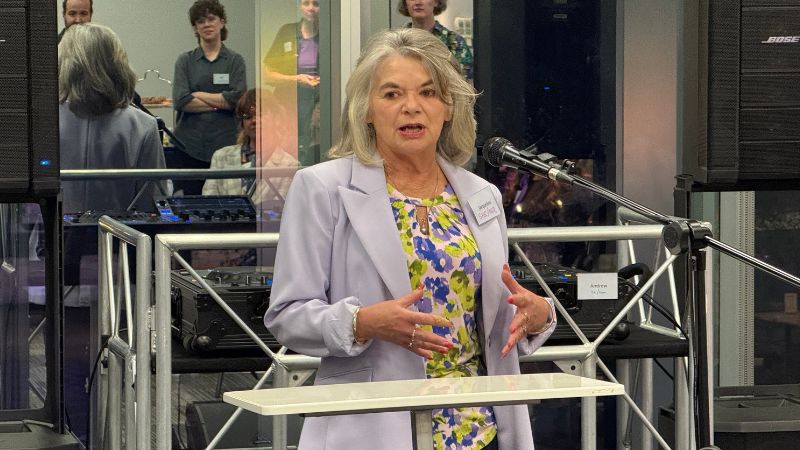
Jacqueline McGowan-Jones shared her concern at the launch of YOUnity, a new arts program that is focused on youth across the state.

“I’m really concerned with the social media ban starting on the 10th of December, because our regional and remote queer kids, that’s where they find their safe spaces, that’s where they fund their community, that’s where they reach out for advice and support and guidance, and that’s going to be lost to them.” the commissioner said.
The new laws introduced by the Albanese government require social media companies to take reasonable steps to ensure people under 16 do not have accounts on their platforms.
Commissioner McGowan-Jones questioned the approach the federal government had taken on tackling the issue.
“Instead of responding to a situation and making internet providers and social media companies accountable for their actions, we’re going to prohibit children and young people from a vital service for them.” McGowan-Jones said.
Researchers from RMIT have previously highlighted that transgender youth would feel the brunt of the ban when its introduced.
While Australia’s E-Safety Commissioner Julie Inman-Grant has been a leading proponent of the social media ban, research from her office also shows that online community are especially important for queer youth.
The Tipping the Balance report which was released in 2024 showed that LGBTIQA+ youth were likely to spend more time online, and more likely to search and engage with news content. They also were more likely than their heterosexual peers to have social media sites, and used the internet to seek out community and mental health support.
Over half of the LGBTIQ+ teens surveyed said they found it easier to be themselves online than when they are with people in face-to-face situations (51%, compared with the national average of 40%). LGBTIQ+ teens were more likely than the national average to have discussed different matters when online (53%, compared with 38%), including private things they don’t talk about face-to-face (45%, compared with 27%).
The report however also found that LGBTIQA+ teens were more likely to have engaged in risky behaviour online, and more likely to received messages of a sexual nature and 16% had shared naked pictures of themselves online (compared with the national average of 7%).
Young queer people were also more likely to have been exposed to hateful messages, and more likely to have been threatened with harm in an online space. The study also found that LGBTIQA+ teens were more likely to report bad experiences and take action against them, including reporting incidents to E-Safety.
In a recent article published in InSight+ researchers at the University of Sydney also questioned the effect the government’s ban would have on LGBTIQA+ youth.
Noting that the new laws require social media companies to protect young people from harmful content, but do not require the companies to remove the harmful content in the first place, they argue the government has failed to appreciate young people’s ability in fact checking and accessing information.