

Australia has changed its official travel advice for people heading to Fiji noting the country is dealing with a rapidly growing rate of HIV cases.
In its advisory, the Department of Foreign Affairs and Trade urges visitors to take precautions if engaging in activities that may expose them to the risk of infection, noting the growing public health concern in the country.

“The rates of HIV/AIDS infections are rising, and the Fiji Government has declared an HIV outbreak. Take precautions if you engage in activities that may expose you to the risk of infection,” the new advice reads.
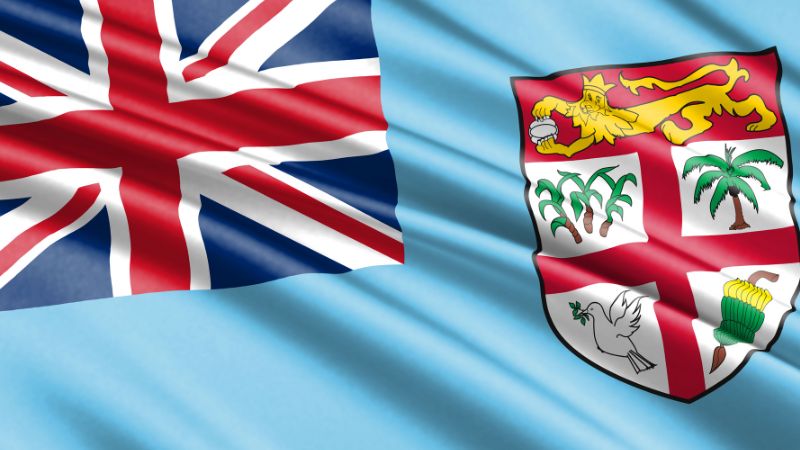
The new advice follows the Fijian government sounding the alarm late last year over the number of new cases of HIV being reported.
A rapid response assessment by the Kirby Institute and UNAIDS has determined that the outbreak of new cases is attributed to drug use and unsafe injecting practices. They found found that many people who inject drugs in the capital of Suva face syringe scarcity, unsafe injecting practices and fear of discrimination when seeking health services.
The latest data shows Fiji recorded 1,583 new HIV cases in 2024 and 1,226 within just the first six months of 2025.
It is estimated that there 6,100 Fijians living with HIV in 2024, compared with about 2,000 in 2020. The country’s entire population is around one million people. The country attracts around a million tourists each year.
To tackle the challenge health workers in Fiji recently undertook a two day workshop on harm reduction practices that have been successful in other jurisdictions.
“This process helped shift the focus from whether harm reduction is needed to how it can be implemented rapidly and effectively in Fiji,” said Dr Jason Mitchell, Chairperson for the National HIV Outbreak and Cluster Response Taskforce from the Fiji Ministry of Health and Medical Services.
“In the context of Fiji’s HIV situation, introducing NSP is essential to reducing transmission, protecting communities and linking people to health services that are safe, confidential and stigma-free,” said Dr Mark Jacobs, WHO Director of Pacific Technical Support and WHO Representative to the South Pacific.
“I welcome the progress toward implementation of this critical program, and WHO stands ready to support the Ministry of Health and Medical Services and partners to translate plans into action.”