

Premium Content:

On This Gay Day | Ireland said ‘Yes’ to marriage equality

Ireland said ‘Yes’ to marriage equality in 2015

On this day in 2015 Ireland has overwhelmingly to introduce same sex civil marriages.

- Advertisement -

Voters approved marriage equality with over 60% of people who voted supporting a change to the country’s constitution.
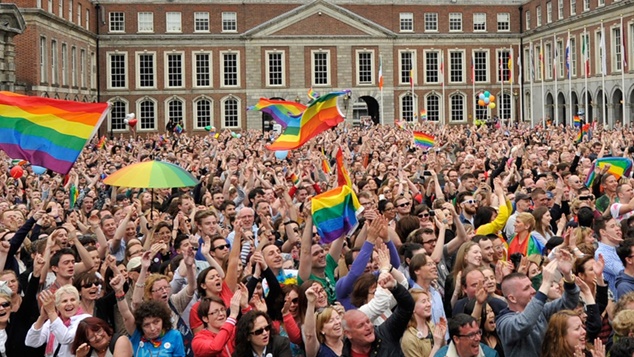
The history making vote made Ireland the 20th country to allow same sex couples to wed, and the first to make the change through a popular vote.

Earlier in the day campaigners behind the ‘no’ vote conceded defeat as those who wanted marriage to remain strictly between a man and woman were outvoted at a rate of almost two to one.

The Iona Institute, a leading organisation in the no campaign, released a statement congratulating their opponents.

“We would like to congratulate the Yes side on winning such a handsome victory in the marriage referendum.

“They fought a very professional campaign that in truth began long before the official campaign started.

“For our part, The Iona Institute is proud to have helped represent the many hundreds of thousands of Irish people who would otherwise have had no voice in this referendum because all of the political parties backed a Yes vote.

The ‘Yes’ vote was supported by all political parties and the successful campaign saw many politicians celebrating.

Health Minister Leo Varadkar, who came out as a gay man during the campaign’ told RTE radio that it was a great day for Ireland.

“It’s a really great day for Ireland… Ireland is shining.

“If you think about it really is historic… it’s something really special.” Varadkar said. Varadkar would later go on to become the first gay leader of the nation when he became Taoiseach from 2017 until 2020 and then served a second stint as leader from 2022 until 2024.

The landslide result has been described as a generational shift in what was once one of the most conservative and religious countries in Europe.

 

Latest

RMIT becomes Midsumma Festival major partner

The university says the collaboration builds on their leadership in diversity and inclusion and deepens existing connections with Midsumma.

Robert Baxter teams up with Sweatbaby for new single ‘Icy (Take It Off)’

The track is a club pop anthem to soundtrack the upcoming hot summer nights.

Queensland government extends ban on puberty blockers and hormone treatment for young people

The government says the ban will stand for another two years until research trials in the United Kingdom are completed.

Pill testing will come to Victoria’s Pride Street Party

It will be the first time pill testing has been trialed at a street festival since the service began operating last year.

Newsletter

Don't miss

RMIT becomes Midsumma Festival major partner

The university says the collaboration builds on their leadership in diversity and inclusion and deepens existing connections with Midsumma.

Robert Baxter teams up with Sweatbaby for new single ‘Icy (Take It Off)’

The track is a club pop anthem to soundtrack the upcoming hot summer nights.

Queensland government extends ban on puberty blockers and hormone treatment for young people

The government says the ban will stand for another two years until research trials in the United Kingdom are completed.

Pill testing will come to Victoria’s Pride Street Party

It will be the first time pill testing has been trialed at a street festival since the service began operating last year.

Government urged to bring in anti-hate laws for everyone’s protection

The government is making moves to tackle the rise of antisemitism in Australia, but will new laws ignore other at risk groups?

RMIT becomes Midsumma Festival major partner

The university says the collaboration builds on their leadership in diversity and inclusion and deepens existing connections with Midsumma.

Robert Baxter teams up with Sweatbaby for new single ‘Icy (Take It Off)’

The track is a club pop anthem to soundtrack the upcoming hot summer nights.

Queensland government extends ban on puberty blockers and hormone treatment for young people

The government says the ban will stand for another two years until research trials in the United Kingdom are completed.
