


The film version of ‘Breakfast at Tiffany’s’ took out all the gay content
The film version of Breakfast at Tiffany’s was released on this day in 1961. Based on a novella by Truman Capote, director Blake Edwards’ adaptation differs significantly from its source material.

While the film would become one of Audrey Hepburn’s most beloved performances, and Holly Golightly one of cinema’s most memorable characters, the romantic comedy is also remembered for its casual racism and the removal of queer themes present in Capote’s original work.
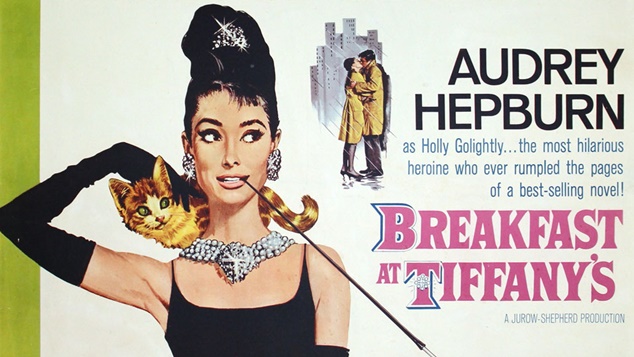
Set in New York, the film follows struggling writer Paul Varjak (George Peppard) and his relationship with an enigmatic neighbour, the carefree Holly Golightly. Paul is financially supported by a married older woman whom he describes as his “interior decorator”, while Golightly maintains connections to organised crime figures.
One of the film’s most controversial elements is its portrayal of the upstairs neighbour, Mr Yunioshi. The Japanese character was played by Mickey Rooney, who wore makeup and prosthetics and used exaggerated mannerisms in a performance that has since become one of Hollywood’s most widely criticised examples of yellowface.
Producer Richard Shepherd and director Blake Edwards later expressed regret over the casting decision. Before his death in 2014, Rooney also acknowledged the controversy, saying that had he known the performance would later be considered offensive, he would have approached the role differently.
Capote’s original 1958 novella presents a markedly different story. The character known as Paul in the film is unnamed in the book, much of the narrative is told through flashbacks, and there are suggestions that the narrator may have relationships with other men, a theme largely removed from the film adaptation.
The original story is also set during the 1940s rather than the early 1960s. It includes a major character named Joe Bell, a bartender with whom the narrator shares stories about Holly Golightly.
In 2009, a new stage adaptation was produced in London starring Anna Friel as Golightly. Another adaptation opened on Broadway in 2013, with Game of Thrones star Emilia Clarke in the lead role. Significant attention was given to a scene in which the two central characters share a bath. Both productions remained closer to Capote’s original novella than the 1961 film adaptation.