

OPINION

Anyone that lives or works in Central Australia would tell you that Alice Springs Pride holds the same sense of excitement that comes with Sydney’s Gay and Lesbian Mardi Gras.
I was in Alice Springs in the lead up to 2015 celebrations and across town cafes were proudly plastered in posters promoting events that ensured inclusivity across the board.
There was Homage, the launch of Celebrating Pride 2015 (I was encouraged by the café barista to attend), Fair Day, the Film Festival, the Pride Party, The Gender, Sexuality and Intersex Diversity Forum and Research Launch. Gay and lesbian Aboriginal and Torres Strait Islander peoples, as well as the vibrant transgender community – SisterGirls and BrotherBoys, were given open space to express themselves.
On the surface in Alice Springs, a thriving, colourful, and hugely diverse LGBTIQ community is apparent. Despite this, there remains a huge concern about whether the support services exist around the nation to support remote and regional Aboriginal and Torres Strait Islander LGBTIQ peoples. What does being LGBTIQ look like for Aboriginal and Torres Strait Islander peoples? Are the support services there for those struggling in Western Australia?
Today I read about how Aboriginal-run mental health services are struggling to attract funding for suicide prevention programs, according to Aboriginal mental health workers.
This is hugely concerning considering Aboriginal and Torres Strait Islander peoples are twice as likely as other Australians to take their own life. As reported today, in the Kimberley, young Aboriginal people take their own lives at seven times the national trend. Couple this with an exacerbated suicide rate amongst LGBTIQ youth, and it is clear that LGBTI Aboriginal people must have access to adequate support services specific to their needs.
It is excellent to see local mental health advocates are recognising a gap in services and stepping up, but it should not be left to locals, who must turn to crowd funding, to fill in these gaps for essential services and data. At the moment, we do not have a proper understanding of how many LGBTIQ Aboriginal and Torres Strait Islander people there are in Australia. Considering this is an at-risk group, this is simply not good enough. Government support is urgently needed.
Just this week we heard reports from a Mount Gambier health organisation that Aboriginal and Torres Strait people are increasingly more comfortable talking about mental health issues, this is a step in the right direction. To ensure that stigma around talking about mental health evaporates we must ensure adequate services and research for the community. We need an Aboriginal and Torres Strait Islander mental health plan that includes the LGBTIQ community and stronger targets for Closing the Gap on suicide rates.
November marks PRIDEFEST 2015 in Western Australia. We should use this month to facilitate open discussions about mental health; we should call for increased support services for hyper marginalised groups. Across the board, we should work towards increasing our understanding and closing the gap on rates of mental health amongst the LGBTIQ Aboriginal and Torres Strait Islander community.
We must use this month to celebrate the LGBTIQ Community in all its complexities, in particular the Sistergirls and Brotherboys, who as part of the transgender community often feel invisible.
It is time to call for our State and Federal Governments to step up to the plate, use this PRIDE month to do exactly that.
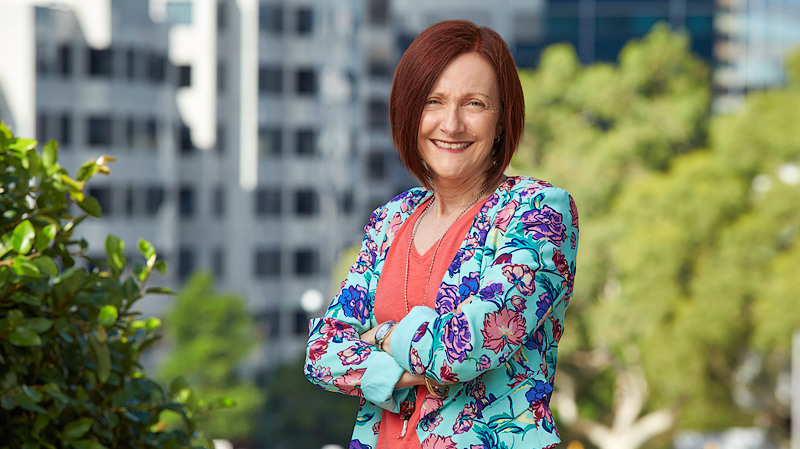
Rachael Siewert
Rachel Siewert is The Greens Senator for Western Australia.