

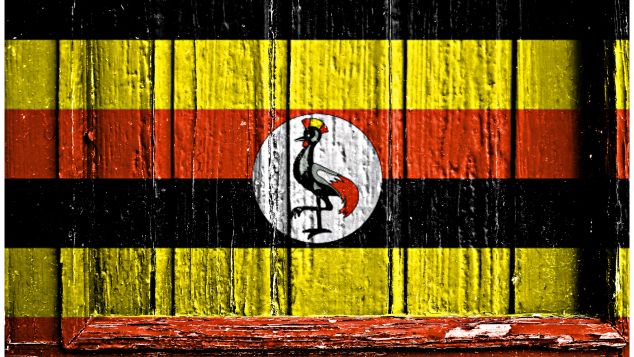
A new study has shown that Uganda’s strong stance against homosexuality may be having a negative effect on their attempts to reduce levels of HIV in the country.
The Anti-Homosexuality Act, often referred to as the ‘Kill the Gays’ law was passed in 2023, it has strong penalties including long prison sentences and even the death penalty for people found to have participated in same-sex sexual activity.

With restrictions on programs that cater directly to LGBTIQA+ populations, much of the preventative education is undertaken by religious based providers, who have been known to turn away LGBTIQA+ people.
The new report comes from Universal Coalition of Affirming Africans Uganda (UCAA- UG) in collaboration with Friends of Canon Gideon Foundation (FOCAGIFO) from the study on the role of faith and religion in shaping HIV related stigma, treatment adherence, and service uptake among LGBTQ+ individuals in Uganda.
UCAAA-UG was the first faith-based organisation established in 2017 to advocate for the inclusion of the most marginalised groups of people in Uganda using faith-based approaches. This was after the realisation that marginalised groups are deprived of their human rights and treated unfairly in communities, using religion as a justification.
The authors of the report note that it has long been established that stigma and discrimination can be major barriers to reaching key populations affected by HIV, and the introduction of the governments laws against homosexuality, alongside the power of religious based organsiations in a concern.

HIV continues to be a critical public health challenge in Uganda, with young people aged 15-24 disproportionately affected by the epidemic. The report found that religious based organisatons were a factor in tackling the challenge, with the researchers using a combination of interviews and statistical data to access thew situation.
While 70% of faith leaders interviewed stated that their faith-based facilities provide HIV support, only 30% offered HIV support services to LGBTQ+ individuals. The study found that those who did provide an inclusive approach were concerned that they risked being excommunicated by their church, while also facing the risk of being charged with promotion of homosexuality.
LGBTQ+ individuals reported overwhelmingly that people of faith and religion perceive their sexual orientation as a curse or condemn it. They said religion and faith play a major role in forming negative public perceptions about them. As a result they were less likely to engage with support services.
At the same time support services that were offered outside of the realm of faith based providers were being criticised by church leaders and religious groups.
The report puts forward a long list of recommendations to improve HIV support and preventative measures including advocacy for the removal of the laws which criminalise homosexuality.
They also argue the faith based organisations have a role to play. “Faith leaders must demonstrate active leadership in HIV response by integrating stigma reduction, inclusive messaging, and service promotion
into their ministry and outreach.” the researchers said.
“This means preaching compassion, hosting HIV education sessions, and visibly supporting access to care for all including LGBTQ+ individuals.”