

Premium Content:

LGBTI+ advocates call for permanent anti-vilification laws

Equality advocates have questioned why vilification against LGBTI Australians is only unacceptable during the marriage equality postal vote and not at other times.

- Advertisement -

Responding to legislation passed by the Federal Government this morning to outlaw hate speech during the three month postal survey, advocates are asking MPs why such protections are not applied permanently.

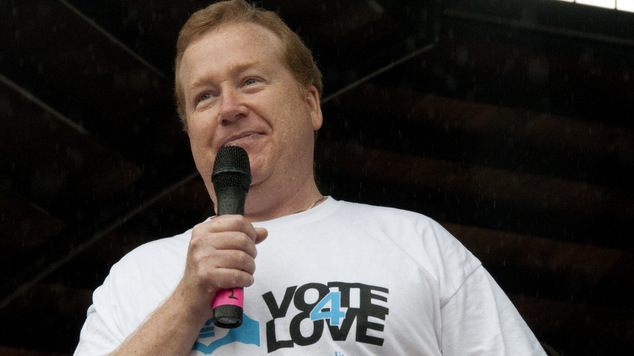
Spokesperson for just.equal, Brian Greig, said the need for hate speech laws during the same-sex marriage survey draws attention to the fact that there are no Commonwealth hate speech laws for LGBTI people.

“Federally we have permanent, national anti-hate speech laws for race and religion only, yet clearly there is a need for permanent laws to include sexuality and gender identity” Greig said.

Greig said permanent hate speech laws to protect LGBTI+ people at a state level exists only in four jurisdictions; New South Wales, Queensland, Tasmania and the ACT.

“Western Australia, South Australia, Victoria and the Northern Territory have no state-based laws to prevent or prosecute vilification on the grounds of sexuality or gender identity.

“This means LGBTI people in these states are especially vulnerable to hate speech and look to the Commonwealth for national laws to address this,” Greig said.

Greig said the inconsistency between existing state laws also meant that some states were strong and some weak in preventing LGBTI hate speech.

“Just.equal calls on the Commonwealth to cement a national law to prevent vilification against LGBTI people, not simply a temporary one that will be thrown away after the postal survey”.

Greig said he fears that anti-LGBTI+ sentiment that is being stirred up by the national survey on same-sex marriage may last for many years to come.


Support OUTinPerth

Thanks for reading OUTinPerth. We can only create LGBTIQA+ focused media with your help.

If you can help support our work, please consider assisting us through a one-off contribution to our GoFundMe campaign, or a regular contribution through our Patreon appeal.


Become a Supporter→     Make a contribution→ 


Latest

Community celebration to mark the passing of the ART and surrogacy reforms

The laws passed parliament earlier this month after ore than a decade of advocacy and campaigning.

On This Gay Day | Remembering Noel Coward and disco star Sylvester

Noel Coward and Sylvester both left their mark on culture on a global scale.

Tasmania leads the way in tackling hate crimes

Advocates say the new approach would provide greater protections to marginalised communities.

Pride in Respect initiative hopes to shine a light on intimate partner violence

The new campaign will shine a light on family, domestic and sexual violence in LGBTIQA+SB communities.

Newsletter

Don't miss

Community celebration to mark the passing of the ART and surrogacy reforms

The laws passed parliament earlier this month after ore than a decade of advocacy and campaigning.

On This Gay Day | Remembering Noel Coward and disco star Sylvester

Noel Coward and Sylvester both left their mark on culture on a global scale.

Tasmania leads the way in tackling hate crimes

Advocates say the new approach would provide greater protections to marginalised communities.

Pride in Respect initiative hopes to shine a light on intimate partner violence

The new campaign will shine a light on family, domestic and sexual violence in LGBTIQA+SB communities.

Leading LGBTIQA+ organisations voice solidarity with the Jewish community

People affected by the events in Bondi are being urged to make the most of counselling services.

Community celebration to mark the passing of the ART and surrogacy reforms

The laws passed parliament earlier this month after ore than a decade of advocacy and campaigning.

On This Gay Day | Remembering Noel Coward and disco star Sylvester

Noel Coward and Sylvester both left their mark on culture on a global scale.

Tasmania leads the way in tackling hate crimes

Advocates say the new approach would provide greater protections to marginalised communities.