

The United Nations agency charged with tackling HIV on a global level has warned that decades of work in the sector are being undermined by funding cuts and repressive laws, with the risk of a resurgence of the HIV epidemic increasing.
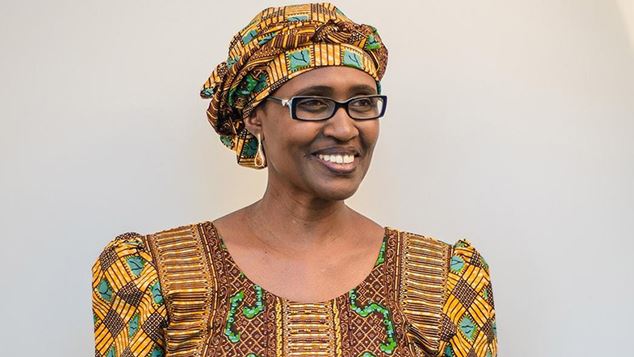
Winnie Byanyima, head of UNAIDS, issued the warning as an annual report revealed significant funding reductions in key prevention and research programmes.

“It is the biggest disruption since the global HIV response was put together, and it poses a major threat to the progress we have made,” Byanyima said.
While the number of HIV-related deaths and new infections remains at record lows, experts warn that funding cuts will have a major impact on achieving 2030 goals for the virtual elimination of HIV.
“Progress made to date on the HIV response is real and fragile. Without renewed commitment and action, we risk a resurgence of the epidemic. In 2025, HIV responses around the world were disrupted by shifts in funding that threatened to stall years of progress. External financing for all development sectors fell by 23% compared with 2024,” UNAIDS said in its Global AIDS Brief.
The funding cuts have led many countries to focus on short-term priorities, such as providing essential HIV treatment, jeopardising programmes aimed at long-term outcomes, including removing barriers to care and reaching those least likely to be tested and begin treatment. UNAIDS says the full effects of the cuts may not become apparent for several years.
The agency also highlighted that gender equality, sexual and reproductive health and rights, and the rights of LGBTQI+ people are under pressure in many parts of the world, negatively affecting HIV prevention efforts.
The report found that 1.2 million people acquired HIV in 2025, representing a 43% decline since 2010, suggesting that previous strategies had been effective. AIDS-related deaths fell by 57% over the same period to 570,000. Of the 40.9 million people living with HIV worldwide, 32.1 million were receiving treatment last year.
Experts are particularly concerned that funding cuts are affecting prevention programmes the most. Across the 62 countries reporting to UNAIDS, the number of people who received pre-exposure prophylaxis (PrEP) at least once in the past year fell by 38% between 2024 and 2025, including in countries with some of the highest HIV rates.
In high-burden countries, HIV testing dropped by 22%, while funding for condom distribution to those most at risk fell by 93%.
The report was published just days ahead of a high-level meeting in New York, where the United Nations is expected to adopt a new political declaration on ending HIV/AIDS as a public health concern by 2030.