

Premium Content:

Steve Bronski, founding member of Bronski Beat, dead at 61

Steve Bronski of the iconic pop trio Bronski Beat has passed away at the age of 61.

- Advertisement -

The Glaswegian keyboard player formed Bronski Beat in 1983 alongside the late Larry Steinbachek and Jimmy Somerville.

Their music, which was filled with lyrics about gay rights and battling homophobia, was ground breaking at the time of its release.

The group scored a succession of hits with Smalltown Boy, Why and their cover of It Ain’t Necessarily So. They also teamed up with Soft Cell singer Marc Almond to cover the Donna Summer hit I Feel Love.

Their debut album Age of Consent highlighted on its cover the different ages gay men were allowed to have sex in different countries, and engraved into the vinyl was the number for London’s Gay and Lesbian Switchboard helpline.

The band famously played a benefit gig to aid the Lesbians and Gays support the Miners campaign, which is dramatised in the feature film Pride.

In 1985 lead singer Jimmy Somerville quit the band and formed The Communards with Richard Coles, who had been playing saxophone with the band.
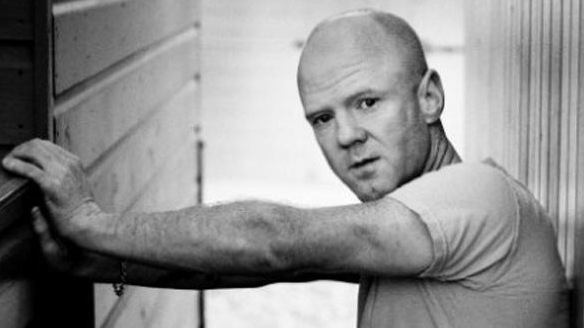
Jimmy Somerville commented on Bronski’s passing describing him as a “talented and very melodic man”.

“Working with him on songs and the one song that changed our lives and touched so many other lives, was a fun and exciting time. Thanks for the melody, Steve.” Somerville said.

After Somerville’s departure Bronski Beat continued on with a new singer Jon Foster who performed under the name Jon Jon.

The band’s second album Truth Dare, Double Dare featured the energetic song Hit That Perfect Beat, which was followed up by the equally boisterous C’mon C’mon.

The band continued recording into the 90s and featured a variety of singers including Jonathan Hellyer.

They also teamed up with Eartha Kitt to record the song Cha Cha Heels, a song they had originally penned for drag performer Divine – who passed away before being able to record the song.

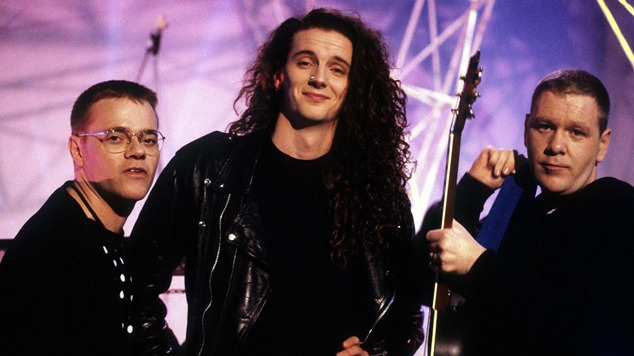
OIP Staff, image shows Larry Steinbachek, singer Jonathan Hellyer and Steve Bronski.


You can support our work by subscribing to our Patreon
or contributing to our GoFundMe campaign.

Latest

Saint Etienne are coming to Australia for one final time

The acclaimed British trio are touring for the last time, and their final Australian show will be in Fremantle.

Queer rock artist Feura releases debut single ‘Lose Your Head’

The Toronto-based queer, BIPOC, East Asian rock artist Feura...

On This Gay Day | Poet Walt Whitman was born in 1819

Described as the father of free verse, his poetry was controversial in its day for its overt sexuality.

Ian McKellen leads Commonwealth Walk of Shame protest against anti-LGBT+ laws

Actor and LGBT+ rights campaigner Sir Ian McKellen launched...

Newsletter

Don't miss

Saint Etienne are coming to Australia for one final time

The acclaimed British trio are touring for the last time, and their final Australian show will be in Fremantle.

Queer rock artist Feura releases debut single ‘Lose Your Head’

The Toronto-based queer, BIPOC, East Asian rock artist Feura...

On This Gay Day | Poet Walt Whitman was born in 1819

Described as the father of free verse, his poetry was controversial in its day for its overt sexuality.

Ian McKellen leads Commonwealth Walk of Shame protest against anti-LGBT+ laws

Actor and LGBT+ rights campaigner Sir Ian McKellen launched...

Manufactured Outrage: How much of the media missed the point on transgender discrimination law

A Senate Estimates clash reveals concerning misunderstanding of discrimination law, amplified by media outrage and misrepresentation.

Saint Etienne are coming to Australia for one final time

The acclaimed British trio are touring for the last time, and their final Australian show will be in Fremantle.

Queer rock artist Feura releases debut single ‘Lose Your Head’

The Toronto-based queer, BIPOC, East Asian rock artist Feura has released her debut single Lose Your Head. The tune is a sharp, unrelenting rock...

On This Gay Day | Poet Walt Whitman was born in 1819

Described as the father of free verse, his poetry was controversial in its day for its overt sexuality.
